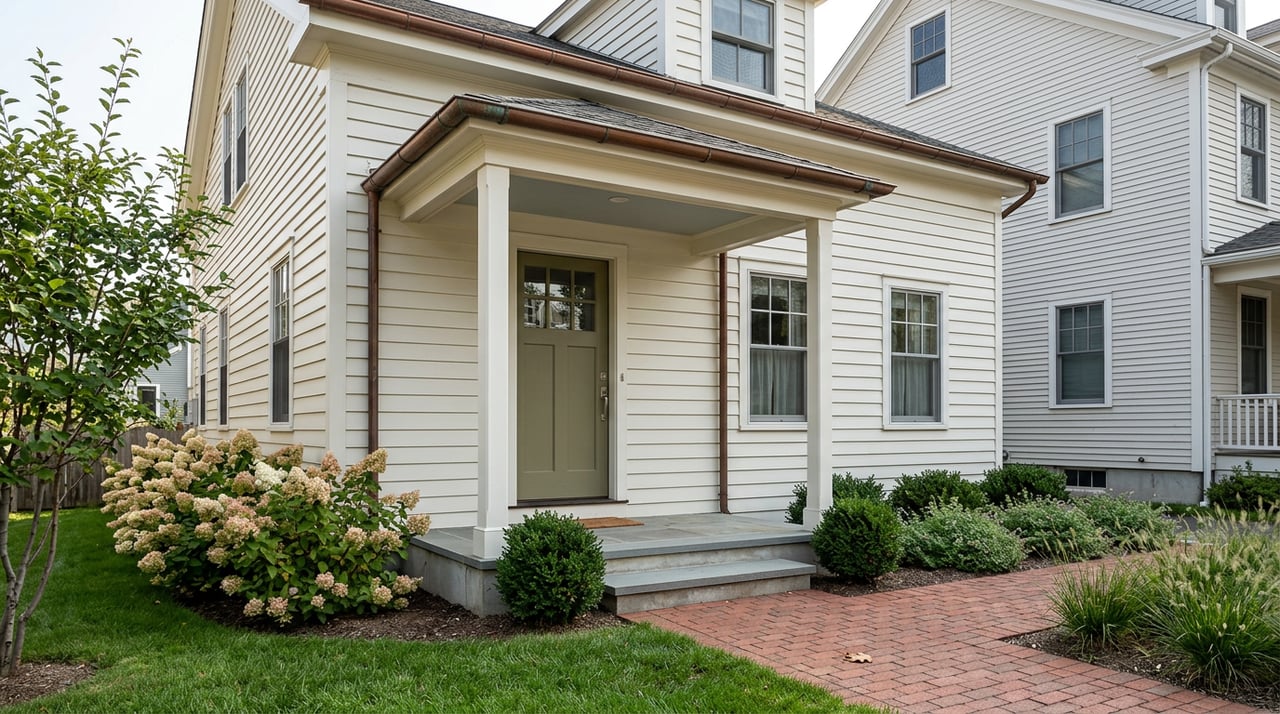
Wondering whether a condo or townhome in East Greenwich is the right fit for your next move? If you want lower-maintenance living, easy commuter access, and a location close to downtown shopping and dining, this part of Rhode Island can check a lot of boxes. The key is knowing what you are actually buying, what the monthly fees cover, and which documents deserve a close review before you commit. Let’s dive in.
Why East Greenwich Appeals to Condo Buyers
East Greenwich offers a mix of convenience and coastal character that stands out for buyers who want a simpler day-to-day lifestyle. The town sits on the west shore of Narragansett Bay, and local town information highlights shopping and dining around Main Street, Water Street, and Greenwich Cove.
For many buyers, location is a major part of the appeal. East Greenwich also offers access to I-95 and Route 4, and the airport in nearby Warwick is just minutes away. If you want a home base that supports commuting without giving up a walkable downtown feel, condos and townhomes here can be worth a closer look.
Condo vs Townhome in East Greenwich
One of the biggest mistakes buyers make is assuming a property’s exterior style tells them its legal structure. In reality, a multistory townhome can still be part of a condominium association. That means you should verify the ownership structure through the recorded declaration, bylaws, and resale documents instead of relying on appearance alone.
In a condo setup, you typically own the unit itself along with an interest in the common elements. Under Rhode Island condominium law, each unit and its common-element interest is treated as a separate parcel for taxation. The association is generally responsible for maintenance, repair, and replacement of common elements, while you are usually responsible for the unit itself unless the declaration says otherwise.
Compared with a single-family home, this setup often means less exterior upkeep for you. It also means more shared decision-making, more rules, and less freedom to make certain changes without approval. That tradeoff works well for some buyers, but it is important to understand it early.
What HOA Rules Can Affect
Before you buy, take time to understand how the association operates. The HOA or condo board is elected by residents, collects fees, maintains common areas, and sets community rules.
Those rules can affect more than many buyers expect. Depending on the association documents, they may govern parking, rentals, exterior changes, landscaping choices, and renovation approvals. If you plan to update anything structural or visible from outside the unit, you should expect to confirm whether board approval is required.
What Your Monthly Fee May Cover
A monthly condo fee is a core part of the budget, so you want to know exactly what it buys. Depending on the community, that fee may help pay for exterior repairs, common-area maintenance, reserves, insurance, and utilities such as water, sewer, and trash.
Fees vary based on the age, condition, location, property value, and amenities of the project. They are usually separate from the mortgage unless escrowed, and they can rise over time. That is why it is smart to look beyond the current number and ask how the fee has changed over the past several years.
Watch for Reserves and Special Assessments
A low monthly fee can look attractive at first glance, but it is not always a good sign. If the association has thin reserves, it may be underfunded for future repairs.
That matters because large or unexpected costs may lead to a special assessment. In Rhode Island, common expense assessments are a debt of the owner and can become a lien if unpaid. As a buyer, you should ask about the reserve balance, fee history, and whether any assessment is already being discussed.
For conventional financing, project finances can matter as much as your own qualifications. Fannie Mae’s condo review looks at the physical condition of the project, financial stability, pending lawsuits, structural-integrity debt, and related factors. Its current full-review guidance also points to reserve funding benchmarks, which is another reason healthy association finances matter.
Review Insurance Carefully
Insurance is another area where condo and townhome buyers need to slow down and read the fine print. Rhode Island law says the association’s property policy pays for common-area losses first, but unit owners can still be responsible for deductible amounts.
You should also verify whether the association’s coverage includes improvements and betterments inside the unit. If it does not, you may need your own coverage for those items. Before closing, it is worth confirming what the master policy covers, what the deductible is, and whether that deductible has changed.
Key Documents to Request Before Buying
Rhode Island gives buyers important protections in condominium resales, and those protections are especially useful in East Greenwich purchases. Before contract execution or conveyance, the seller must provide the declaration, bylaws, rules, and a resale certificate with key financial and legal details.
That certificate can show:
- Monthly common expense assessments
- Unpaid assessments
- Other fees
- Anticipated capital expenditures for the current and next two fiscal years
- Reserve balances
- The latest financial statements
- The current budget
- Pending judgments or lawsuits
- Insurance coverage
- Code violations
- Any remaining leasehold term
The association has 10 days to furnish the certificate after request and may charge up to $125. These documents can tell you a lot about how the community is run and whether larger costs may be coming.
Rhode Island law also requires association financial records to be reasonably available within 30 days of a request by a unit owner or authorized agent. That makes it reasonable for buyers to ask for budgets, reserve information, and recent records before moving too far into the process.
Inspect More Than the Unit Interior
When you buy a condo or townhome, the inspection should go beyond kitchen finishes and bathroom fixtures. You also want a clear picture of the shared components that can affect future costs and financing.
Ask about the condition and history of shared roofs, siding, decks, drainage, and parking areas. It is also smart to ask whether there has been water intrusion, structural repair work, code issues, or lawsuit activity. Even if the inside of the unit looks great, bigger project issues can still affect your ownership experience.
If financing flexibility matters to you, ask early whether the project is considered warrantable or FHA-approved. That question can save time and help you avoid surprises later in the transaction.
East Greenwich Due Diligence Steps
East Greenwich gives buyers practical local tools for verifying what they are buying. The Town Clerk records deeds, mortgages, liens, and releases, while the assessor’s tax maps and GIS tools can help confirm parcel identity and zoning.
This is especially important when a property looks like a townhome but may legally be a condo. Local records can help confirm unit boundaries, parcel details, and how the property is classified before closing.
Property taxes deserve a close look too. The assessor’s page lists a 2025 residential tax rate of $15.57 per $1,000 of assessed value, and East Greenwich is in a 2026 statistical revaluation cycle. Because taxes can vary by unit and assessment, you should verify the actual tax bill for the specific property before closing.
Closing Costs to Keep in Mind
In addition to your loan costs, prepaid items, and escrow needs, Rhode Island’s real estate conveyance tax is part of the bigger closing-cost picture. The Division of Taxation says the rate increased effective October 1, 2025 to $3.75 per $500 of consideration, with an additional $3.75 per $500 on residential value above $800,000.
The seller normally pays that tax unless the parties agree otherwise. Even so, buyers benefit from understanding the full cost structure of the deal, especially in competitive or custom-negotiated transactions.
A Smart Buying Strategy for East Greenwich
If you are considering a condo or townhome in East Greenwich, the smartest approach is to look at the property from three angles at once. First, evaluate the location and lifestyle fit. Second, review the legal and financial health of the association. Third, look closely at the physical condition of both the unit and the shared elements.
That is where experienced guidance can make a real difference. A buyer who understands construction, financing, and local market details can spot issues that are easy to miss if you focus only on layout and price. If you want help weighing the tradeoffs and reviewing the details behind a specific East Greenwich property, Lindsay Pettinelli can help you move forward with clarity.
FAQs
What is the difference between a condo and a townhome in East Greenwich?
- A townhome describes the style of the home, but it may still be legally part of a condominium association, so you should confirm the ownership structure through the declaration, bylaws, and resale documents.
What do condo fees usually cover in East Greenwich?
- Condo fees may cover items such as exterior repairs, common-area maintenance, reserves, insurance, and sometimes utilities like water, sewer, and trash, depending on the association.
What East Greenwich records should condo buyers check?
- Buyers should review Town Clerk land evidence records and the assessor’s tax maps and GIS tools to help confirm parcel identity, recorded documents, and zoning details.
What documents should buyers request for a Rhode Island condo purchase?
- Buyers should request the declaration, bylaws, rules, and the resale certificate showing fees, reserve balances, budget information, insurance coverage, pending lawsuits, and other required disclosures.
Why do reserve funds matter when buying a condo in East Greenwich?
- Reserve funds matter because weak reserves can lead to deferred maintenance or future special assessments, which can increase your ownership costs after closing.
How are property taxes handled for East Greenwich condo units?
- Under Rhode Island condominium law, each unit and its common-element interest is treated as a separate parcel for taxation, so you should verify the actual tax bill for the specific unit before closing.