Thinking about selling in East Greenwich and wondering which fixes are worth it? You are not alone. Buyers here tend to favor move-in ready homes with classic curb appeal, and the right pre-sale updates can lift your price and shorten days on market. In this guide, you will learn which projects usually pay off, what to skip, how permits and timing work locally, and a simple plan to get your home market-ready. Let’s dive in.
What buyers value in East Greenwich
East Greenwich attracts buyers who appreciate a small-town feel, a well-regarded school district reputation, historic streetscapes, and access to Providence and the Bay. Many shoppers prefer homes that feel updated yet respectful of original character. That mix shapes which projects deliver the best return.
Focus on clean, neutral interiors, great listing photos, and strong first impressions outside. When in doubt, choose tasteful, light-touch updates over big custom remodels. Move-in readiness often wins here.
High-ROI updates before listing
Fresh interior paint
A full interior repaint in a neutral palette is one of the best investments. It brightens rooms, hides scuffs, and photographs well. Typical budgets run about $1,500 to $6,000 with a 3 to 7 day timeline. Choose soft, neutral tones that complement a range of furnishings.
Front door and hardware
Your front entry sets the tone. Repainting or replacing the door, updating locks, and refreshing the porch can boost curb appeal fast. Expect $300 to $2,000 and 1 day to 1 week depending on whether you refinish or replace.
Lighting and fixtures
Dated fixtures make a home feel older than it is. Swap in modern, energy-efficient lighting to improve both photos and showings. Plans often land at $500 to $3,000 and 1 to 3 days. Keep styles simple and cohesive across rooms.
Declutter, deep clean, and staging
This is the lowest-cost, highest-impact move for many homes. Professional decluttering, deep cleaning, and staging or virtual staging typically cost $500 to $3,500 and take 1 to 7 days. Clear surfaces, neutral decor, and balanced furniture layouts help buyers see the space.
Quick kitchen or bath refresh
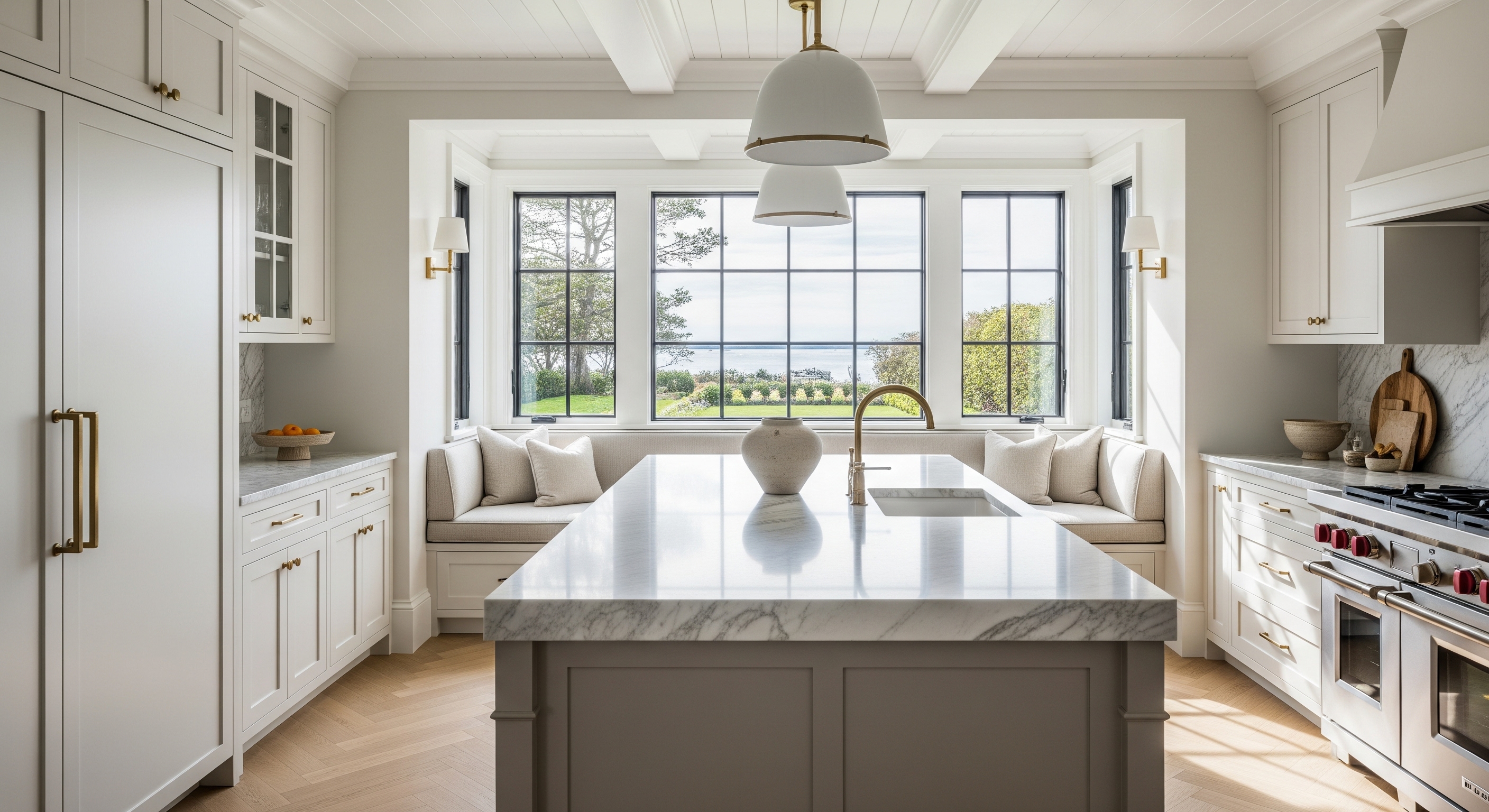
You do not always need a full remodel to make these spaces shine. Consider painted cabinets, updated hardware, new faucets, a fresh countertop, or tile touchups. Budgets usually range $3,000 to $20,000 with 1 to 3 weeks needed. Keep finishes neutral and durable.
Projects to consider carefully
Midrange kitchen remodel
In some price bands, a midrange kitchen remodel can recoup a strong share of its cost, especially if comps show a clear premium for updated kitchens. Expect $25,000 to $70,000 and 3 to 8 weeks. Run the numbers against local comps and your timing.
Bathroom remodel
A modernized bathroom can lift buyer perception, particularly the primary or a main hall bath. Budgets typically fall $8,000 to $25,000 with 1 to 4 weeks of work. Choose durable tile, simple vanity lines, and bright lighting.
Flooring upgrades
Refinished hardwoods or new carpet can make an older home feel fresh. Costs often land $3,000 to $15,000 with 2 days to 2 weeks depending on square footage and material. Schedule after painting to avoid rework.
What rarely pays off before sale
Large additions and heavy structural projects are usually low return for a near-term sale. Additions can be costly, take months, and may not translate to a higher price fast enough. High-end custom finishes and ultra-premium appliances can also have diminishing returns if they exceed neighborhood expectations.
If you have major repair items like a leaking roof or unsafe systems, plan to address them so your sale can close smoothly. Treat these as necessary repairs rather than value-adding upgrades.
Tailor updates to your home and price
Tier A: Entry-level homes
- Buyer profile: Value-focused, open to light cosmetic needs if priced right.
- Priority list: Paint, deep clean, lighting, minor kitchen or bath refresh, curb appeal, locks and door hardware.
- Budget range and timing: $2,000 to $12,000 across a 1 to 4 week window.
- Tip: Avoid big-ticket remodels unless comps clearly support it.
Tier B: Midrange family homes
- Buyer profile: Wants move-in ready, modern but not luxury finishes.
- Priority list: Kitchen refresh, at least one updated bath, refinished hardwoods or modern flooring, paint, lighting, landscaping.
- Consider: A midrange kitchen remodel if nearby comps show a price premium. Otherwise lean on targeted cosmetic upgrades.
- Budget range and timing: $5,000 to $60,000 depending on scope, with 2 to 8 weeks typical.
Tier C: Upper tier and luxury
- Buyer profile: Expects quality, cohesion, and well-maintained systems.
- Priority list: High-quality staging, professional landscaping, systems in top condition, kitchen and primary bath consistent with neighborhood standards.
- Caution: Avoid over-customization that departs from local expectations.
- Budget range and timing: $15,000+, with larger work taking 3 weeks to several months.
Style tips for East Greenwich homes
- Historic homes: Preserve original moldings, built-ins, and appropriate window details where practical. Use in-kind materials when feasible. Thoughtful preservation resonates with local buyers.
- Cape Cod and bungalow: Lean into charm with cozy updates and efficient storage. Keep finishes simple and bright.
- Ranches and newer builds: Open flow, a clean kitchen focal point, and functional outdoor living spaces attract attention.
Permits, historic rules, and timing
- Permitting: Structural, electrical, plumbing, and certain exterior projects generally require permits from the Town of East Greenwich. Interior paint, cabinet painting, and some fixture swaps may not, but verify before starting.
- Historic districts: Some neighborhoods have historic or design review requirements for exterior changes. Confirm rules and approvals early to avoid delays.
- Seasonality: Exterior work in New England is best scheduled spring through fall. Plan interior work in winter if needed, but allow for contractor availability.
Build a simple checklist before you start, then confirm requirements with the Town’s Building and Planning teams and reference the Rhode Island State Building Code. Starting permits early protects your timeline.
Decide update vs remodel vs sell as-is
Use this quick framework to guide your choice:
- Check comps. If updated homes are the norm, plan targeted upgrades. If dated homes sell quickly anyway, consider lighter touch work.
- Balance cost vs carry. Add up renovation costs and carrying costs against the expected price lift.
- Timeline matters. If you need to hit the market fast, prioritize paint, lighting, and staging or price accordingly.
- Fix must-do items first. Address safety, leaks, and inspection issues to keep the deal on track.
- Know the market. In low inventory, buyers may accept minor flaws. In a slower market, move-in ready often wins.
Situations that favor small updates: steady demand, good bones, dated finishes. Larger projects can make sense if your kitchen or baths lag far behind comps or if adding a key function, such as converting a one-bath home to two baths. Selling as-is is reasonable if major structural work is needed, if time or capital is limited, or if the expected gain does not cover renovation plus carrying costs.
A simple, proven process
Here is a streamlined workflow that keeps budgets focused and timelines predictable:
Step 1: Initial assessment
Walk the property to spot buyer-visible issues and any red flags like moisture stains or safety concerns. Create a list with three buckets: must-fix items for safety and inspections, should-do projects with high ROI, and nice-to-have ideas with uncertain payoff.
Step 2: Market check and comps
Pull recent sales and active listings in your micro-market to understand what buyers expect. Decide whether a refresh is enough or if midrange upgrades are needed to compete.
Step 3: Budgeting and bids
For each should-do project, get two to three fixed-price bids. Set a 10 to 15 percent contingency for small projects, 15 to 25 percent for larger scopes. Define the materials level so bids are comparable.
Step 4: Permits and scheduling
Confirm which items require Town permits and apply early. Sequence work to avoid rework. For example, paint before floors, then install hardware and fixtures.
Step 5: Execution and quality checks
Conduct regular site checks, keep photo records, and complete a final punch list before releasing final payment. This also gives you great before-and-after visuals for marketing.
Step 6: Staging and photos
After cleaning, stage the home and book professional photography the moment it is market-ready. Neutral styling helps broaden appeal and supports stronger online performance.
Quick cheat sheet
Use this as a starting point while you gather local bids and review comps. Estimates vary. Obtain multiple local bids and compare against current MLS sales.
- Interior repaint (neutral): $1,500 to $6,000 | 3 to 7 days | High impact
- Front door and hardware: $300 to $2,000 | 1 day to 1 week | Big curb appeal
- Declutter, staging, deep clean: $500 to $3,500 | 1 to 7 days | High impact
- Lighting and fixtures: $500 to $3,000 | 1 to 3 days | Better photos
- Minor kitchen refresh: $3,000 to $20,000 | 1 to 3 weeks | Good ROI
- Midrange kitchen remodel: $25,000 to $70,000 | 3 to 8 weeks | Moderate ROI
- Minor bath refresh: $3,000 to $12,000 | 1 to 3 weeks | Good value
- Flooring updates: $3,000 to $15,000 | 2 days to 2 weeks | Visual boost
- Landscaping and curb: $1,000 to $10,000 | 1 to 2 weeks | Faster show appeal
Ready to map the right plan for your home? With a hands-on background in construction and a track record guiding sellers through cost-effective pre-listing work, Lindsay can help you prioritize updates that matter, manage bids, and launch with premium marketing. Reach out to Lindsay Pettinelli to request a Free Home Valuation and a tailored pre-sale plan for your East Greenwich property.
FAQs
What pre-sale updates usually pay off in East Greenwich?
- Fresh interior paint, improved lighting, decluttering and staging, a front door refresh, and minor kitchen or bath updates often deliver strong returns with shorter timelines.
Do I need permits for pre-sale updates in East Greenwich?
- Cosmetic work like interior paint or simple fixture swaps may not require permits, while structural, plumbing, electrical, and some exterior work typically do; confirm with the Town before starting.
How much should I budget for midrange updates?
- Many midrange homes see good results investing $5,000 to $60,000 across paint, floors, lighting, and a focused kitchen or bath refresh, depending on comps and scope.
When is it better to sell as-is?
- Selling as-is can make sense if major structural repairs are needed, your timeline or capital is limited, or the expected price lift will not cover renovation and carrying costs.
How long do common pre-listing projects take?
- Quick cosmetic projects often run 1 to 3 weeks total, with paint at 3 to 7 days, fixture updates 1 to 3 days, and minor kitchen or bath refreshes 1 to 3 weeks.
How can Lindsay help with renovations before listing?
- Lindsay provides a structured assessment, comp-driven plan, vetted contractor bids, permit guidance, and hands-on oversight to keep work on budget and on schedule before going live.