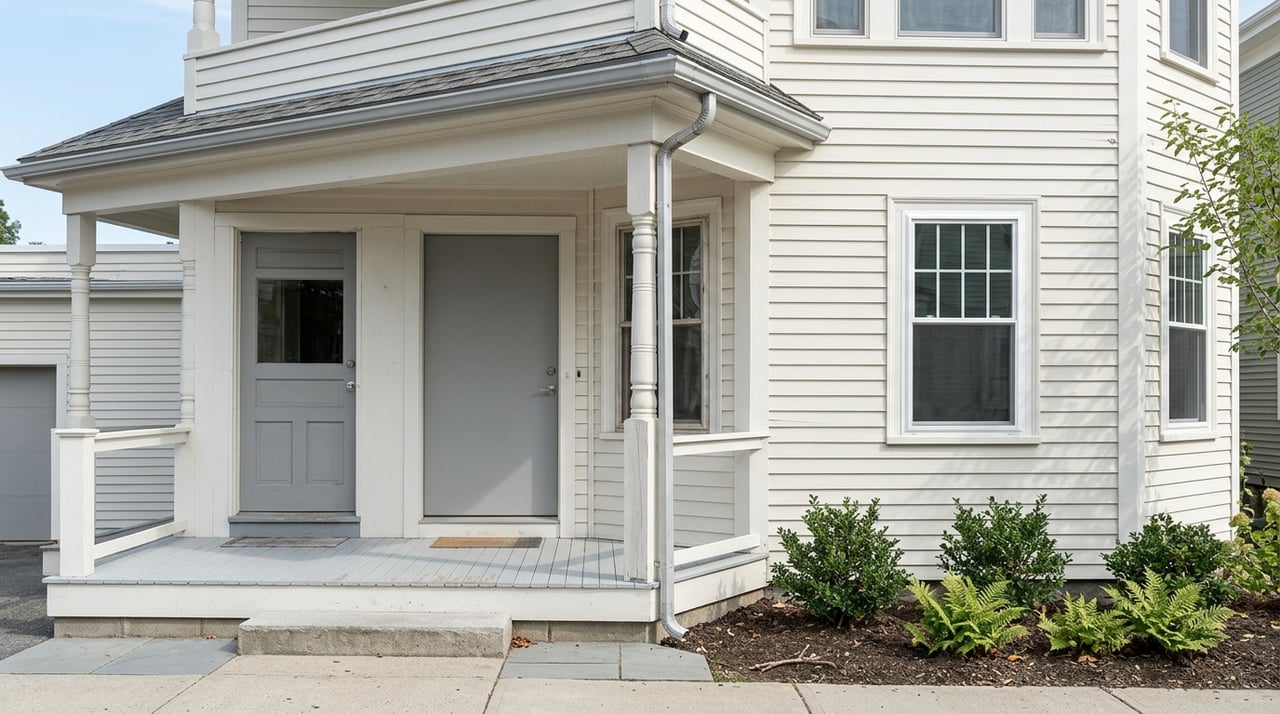
If you are looking for value-add multi-family property in Pawtucket, the biggest opportunity is not just finding something cheaper than Providence. It is finding an older two-, three-, or four-unit building with a realistic improvement plan, a clear compliance path, and strong leasing appeal for today’s renters. When you know what to look for, Pawtucket can offer a smart mix of lower entry pricing, steady renter demand, and targeted upside. Let’s dive in.
Why Pawtucket stands out
Pawtucket remains a classic small-multifamily market, which matters if you prefer buildings you can realistically reposition without taking on a full-scale redevelopment project. According to the city’s 2025-2029 Consolidated Plan, 17.4% of homes are two-unit properties and 24.4% are three- to four-unit homes. That creates a deep pool of the exact building type many small-portfolio buyers want.
The same plan also shows that 51.2% of housing units in Pawtucket are renter-occupied. In a city with 30,706 households and a population of 76,996, that renter base gives buyers important context when evaluating long-term leasing demand. For many investors, that is the real starting point behind the value-add story.
What drives value-add deals
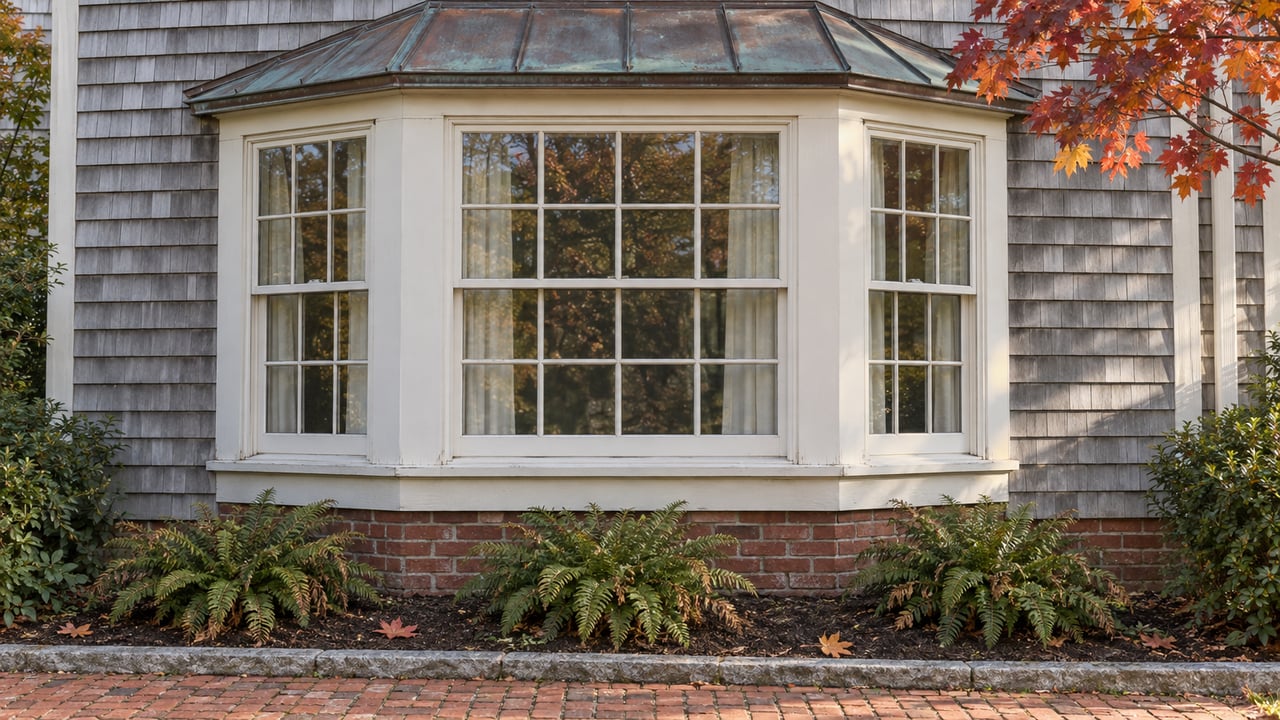
In Pawtucket, most residential neighborhoods were built before 1960, and the city notes that there are limited large vacant tracts. That means the most common path to creating value is not new construction on a blank site. It is usually rehabilitation, conversion, or rebuilding on existing parcels.
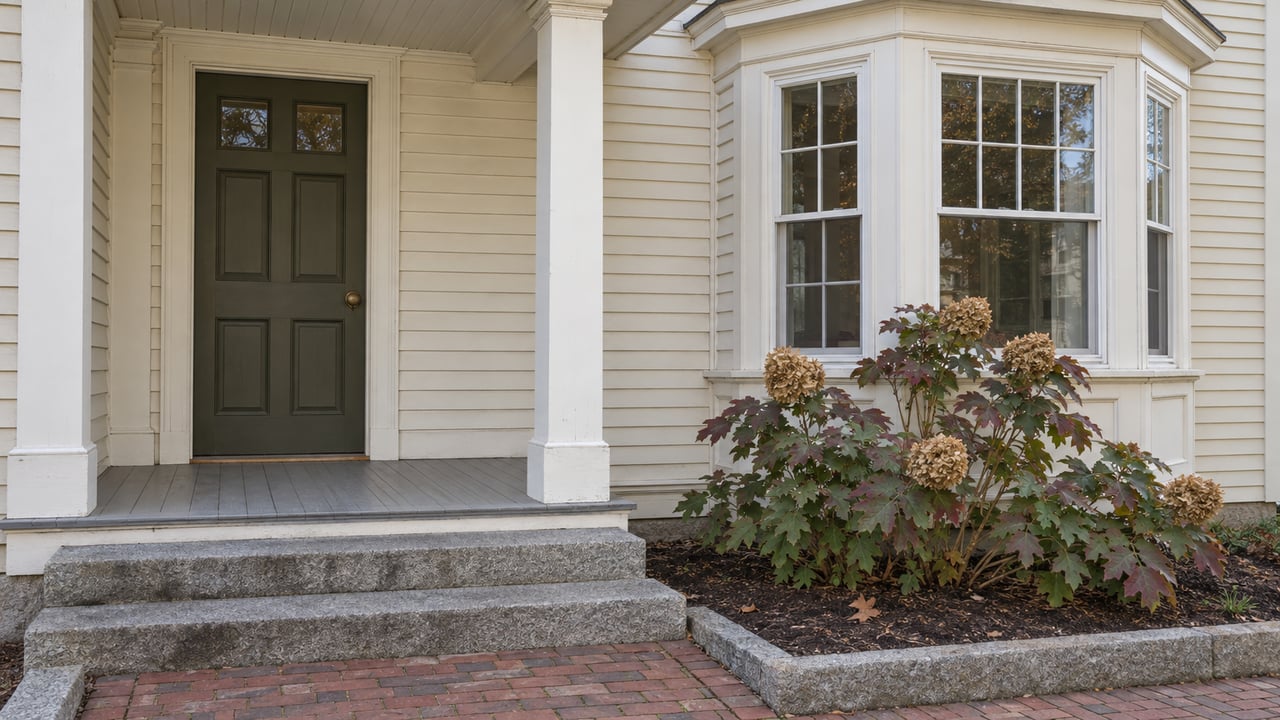
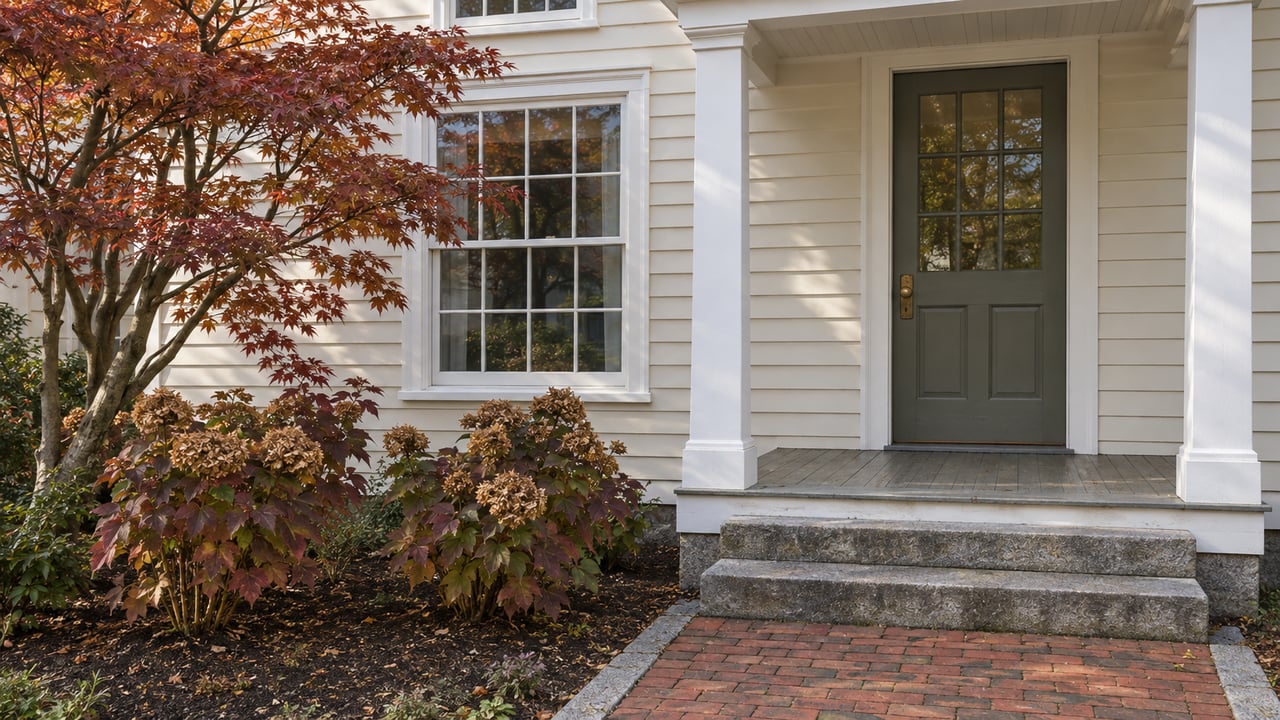
This is good news if your strategy is to improve what is already there. Older small multifamily buildings often present opportunities to update systems, improve layouts, address deferred maintenance, and bring units closer to market expectations without completely reworking the property.
Focus on manageable rehab
The strongest candidates are usually buildings with issues you can clearly identify and budget for. Think worn interiors, outdated mechanicals, exterior maintenance, common-area repairs, or inefficient unit flow. These are very different from properties that need a wholesale redesign to make sense.
In this market, a manageable scope can matter more than a dramatic one. A cleaner, safer, more functional property often has a clearer path to improved rents and more predictable operations than a heavy project with too many unknowns.
Look for livability upgrades
Pawtucket’s housing demand profile supports practical improvements over flashy ones. The city reports that rental units are concentrated in two-bedroom layouts at 41.5%, followed by one-bedroom units at 24.9% and studios at 10%. It also notes that one- and two-person households make up almost two-thirds of households.
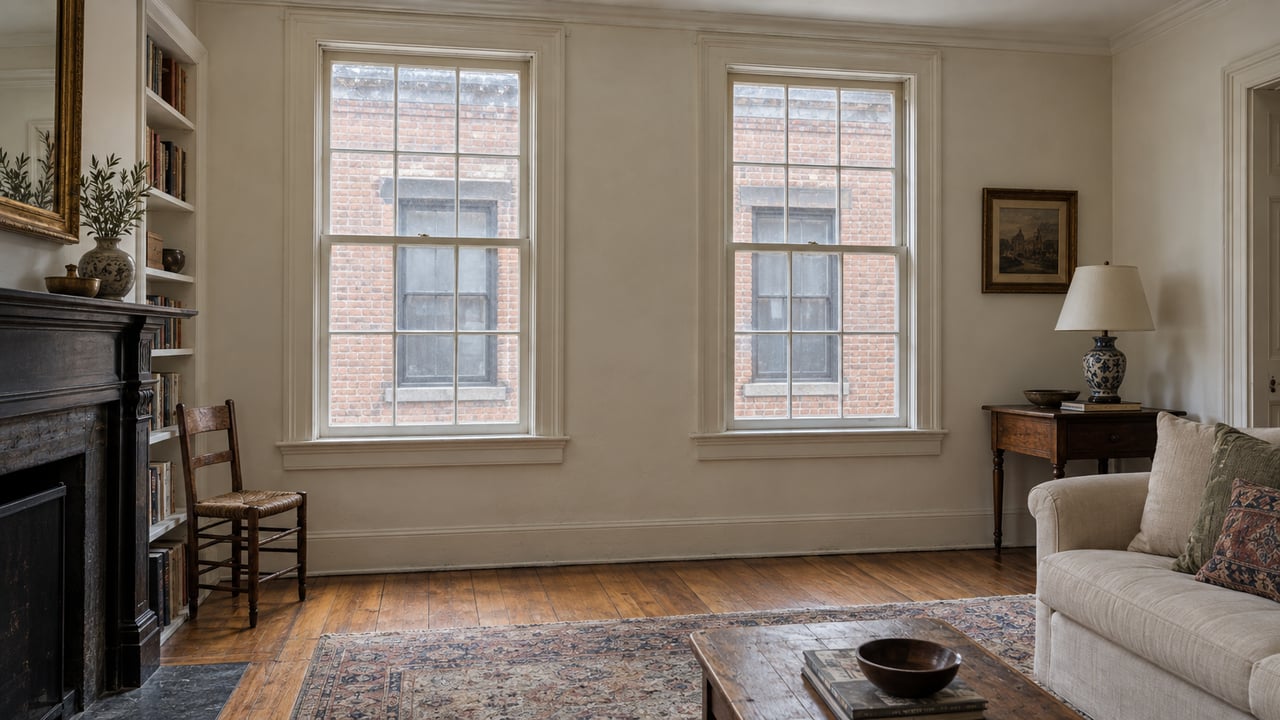
That suggests renters are often looking for efficient, comfortable homes that fit smaller household sizes. Updated kitchens and baths, better storage, improved lighting, cleaner common areas, and more functional unit layouts can all support leasing without requiring you to maximize square footage at any cost.
Pawtucket versus Providence
Many buyers compare Pawtucket to Providence first, and that makes sense. As of March 31, 2026, Zillow shows Pawtucket with an average home value of $391,766 and an average rent of $1,794. Providence comes in higher, at $426,007 for average home value and $2,201 for average rent.
That means Pawtucket is about $34,241 lower on average in entry price and about $407 lower in average rent. So the appeal is not necessarily stronger average yield citywide. The research points more toward a lower basis story, which can matter a lot if you are trying to enter the market with a smaller equity check or preserve room in your renovation budget.
Understand the tradeoff
A rough rent-to-value comparison from those averages implies about a 5.5% gross yield in Pawtucket versus about 6.2% in Providence. In other words, Pawtucket does not automatically win on headline yield. You still need to buy well and execute well.
At the same time, Zillow shows Pawtucket with 64 for-sale listings and 17 days to pending, compared with 161 listings and 22 days to pending in Providence. That suggests a thinner market that can also move quickly. When the right small multifamily hits, hesitation can cost you.
Where demand may strengthen
Transit and redevelopment are two important catalysts in Pawtucket right now. Listings near the Pawtucket/Central Falls Transit Center deserve a closer look, especially if the property already has a straightforward lease-up story.
The station opened on January 23, 2023 and includes MBTA commuter rail and RIPTA bus service. The city also notes that the transit center has 475 parking spaces available, and Rhode Island’s 2030 plan says ridership has already exceeded expectations. For an investor, that does not guarantee performance, but it does support the case for sustained renter interest in nearby areas.
Watch the redevelopment pipeline
The Tidewater Landing project is another factor worth tracking. Its mixed-use phase includes 435 residential units along with retail and restaurant space, office space, a riverwalk park, a pedestrian bridge, and road and utility upgrades.
The city’s 2025-2029 plan also lists at least 764 units in the active or approved pipeline across several projects. That can support nearby activity and demand, but it also means you should underwrite with future supply in mind. Strong value-add deals are usually the ones that can compete because the building is functional, compliant, and well-positioned, not just because the area is getting attention.
What to look for in a listing
If you are screening Pawtucket multi-family properties, a few traits should move to the top of your list:
- Pre-1960 two- to four-unit buildings with visible but manageable deferred maintenance
- Unit layouts that already fit one-bedroom or two-bedroom demand
- Off-street parking or easy car access
- Core systems that can be repaired or upgraded without blowing up your budget
- A clear path to permits, inspections, and occupancy sign-off
- Rental potential supported by livability, not just cosmetic finishes
Because many neighborhoods were built around car access, parking still matters in a practical way, even near transit. In many cases, the better asset is the one that offers a smoother day-to-day experience for tenants and a simpler operating plan for you.
Budget for compliance first
This is where many value-add plans get tested. In older Rhode Island housing stock, compliance is not a side note. It is part of the core investment thesis.
Pawtucket’s Zoning and Code Enforcement Office handles building, plumbing and mechanical, and electrical permits and inspections. That means your renovation timeline should account for permit processing, inspection scheduling, and occupancy-signoff risk before you assume a quick turnaround.
Lead rules can change the numbers
Lead compliance is especially important in Pawtucket because much of the housing stock predates 1978. The Rhode Island Department of Health says most homes in the state built before 1978 are likely to contain lead-based paint, and rental units built before 1978 are generally subject to lead hazard mitigation rules unless exempt.
The state also requires landlords to keep lead certificates current, use lead-safe work practices, and follow the property maintenance code. On top of that, the Rhode Island Attorney General’s 2024 guidance says landlords must register rental units in the statewide rental registry, and owners of pre-1978 buildings must file lead conformance certificates through that registry.
Prioritize the right rehab items
For many buyers, the first renovation dollars should go toward the items that protect the building and reduce operational risk. That usually includes:
- Roof issues
- Heating systems
- Plumbing repairs
- Electrical updates
- Paint and lead-safe work
- Turnover costs
- Common-area repairs
Cosmetic improvements can still matter, but they should usually come after life-safety, compliance, and core systems. That is especially true in a market where the city expects much of the future housing improvement to come from rehabilitating older properties.
How to spot a stronger deal
A stronger Pawtucket value-add opportunity usually checks several boxes at once. It has a realistic purchase basis, a rehab scope you can define early, and a clear path to stabilized rents. It also fits actual renter demand instead of relying on an overly aggressive renovation story.
In practical terms, that often means a two- to four-unit property where you can improve condition, efficiency, and tenant appeal without changing the building’s basic identity. Near the transit center or in areas influenced by riverfront redevelopment, those qualities may matter even more.
Why local, technical guidance matters
In a market like Pawtucket, the difference between a promising deal and a costly one often comes down to details. You need to evaluate not just neighborhood momentum, but also systems, permit realities, lead compliance, and whether the renovation plan actually supports the numbers.
That is where working with an advisor who understands market value, construction scope, and financing can make a real difference. If you want help identifying smart value-add multi-family opportunities in Pawtucket, connect with Lindsay Pettinelli for local guidance grounded in both brokerage experience and renovation insight.
FAQs
What types of multi-family properties are common in Pawtucket?
- Pawtucket has a large supply of small multifamily housing, including two-unit homes that make up 17.4% of the housing stock and three- to four-unit homes that make up 24.4%, according to the city’s 2025-2029 Consolidated Plan.
Why is Pawtucket attractive for value-add multifamily buyers?
- Pawtucket offers a large stock of older small multifamily buildings, a renter-heavy housing base, lower average pricing than Providence, and demand catalysts tied to transit and redevelopment.
What should you prioritize when renovating a Pawtucket multi-family property?
- You should typically prioritize compliance, life-safety, and core systems first, including roofing, heating, plumbing, electrical, paint, turnover work, and common-area repairs.
How important is lead compliance for Pawtucket rental properties?
- Lead compliance is a major consideration because many properties were built before 1978, and Rhode Island requires landlords to follow lead hazard mitigation rules, maintain current certificates when applicable, and meet rental registry requirements.
Does being near the Pawtucket/Central Falls Transit Center matter for investment?
- It can, because the transit center adds commuter rail and bus access, includes significant parking capacity, and has reportedly exceeded ridership expectations, which may support leasing interest nearby.
Is Pawtucket a better buy than Providence for multifamily investing?
- Not always across every metric. The current data suggests Pawtucket’s main advantage is lower average entry price rather than clearly stronger citywide average yield, so the best choice depends on the specific property, scope, and strategy.