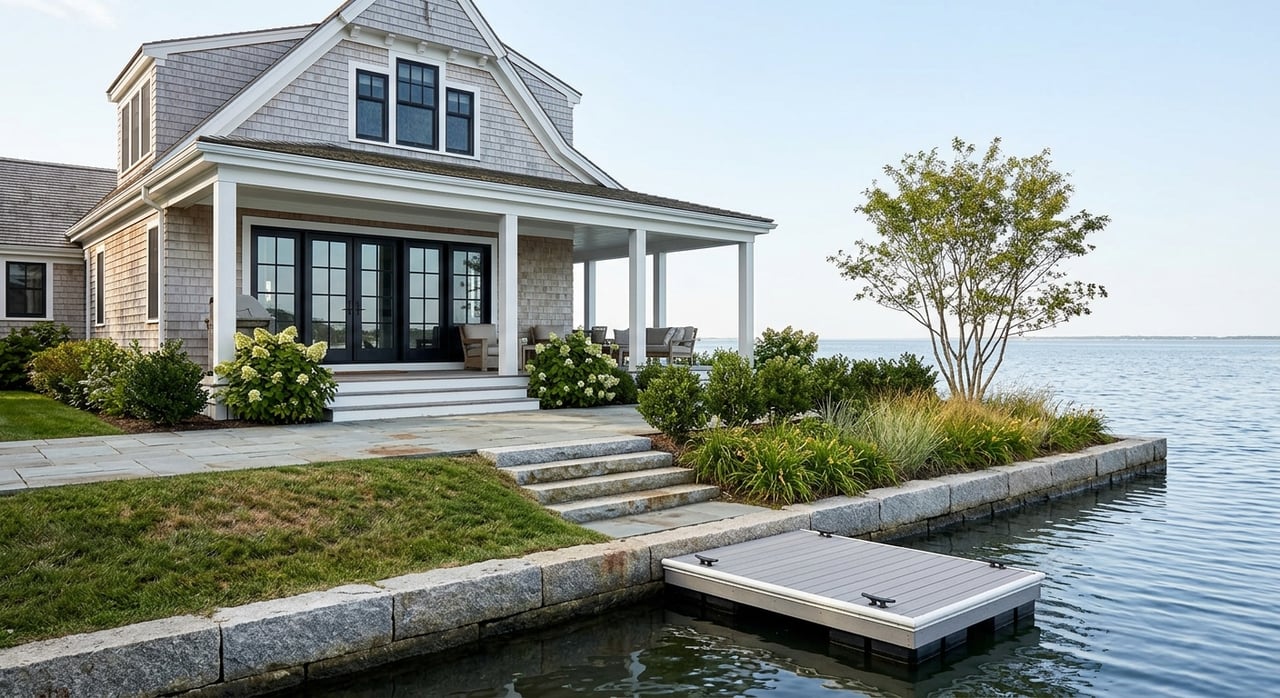
Looking for a place where outdoor time can be part of your normal routine, not just a weekend plan? Cranston stands out because it offers a mix of shoreline access, boating culture, parks, trails, and neighborhood recreation in a suburban setting just south of Providence. If you are thinking about buying or selling here, understanding how outdoor and waterfront living actually works in Cranston can help you spot the right fit and set the right expectations. Let’s dive in.
Cranston’s outdoor lifestyle at a glance
Cranston covers 28.2 square miles and has about 82,934 residents, which gives it a broad mix of settings across one city. According to the city, western Cranston includes more rural and inland open-space character, while eastern Cranston connects to the shoreline along Narragansett Bay and the Providence River.
That variety matters if outdoor living is high on your list. Cranston is best described as a city of micro-lifestyles, where your experience can feel more boat-adjacent in one area and more park-and-trail focused in another.
The city also reports a strong recreation base that includes two state parks, two yacht clubs, a bike path, walking tracks, and 33 tot parks. In practical terms, that means outdoor living here is not limited to one destination or one season.
Waterfront living in Cranston
If you picture Cranston as a classic beach town, you may miss what makes it appealing. The better way to think about it is waterfront-adjacent suburban living with selective public access, scenic coves, and an active boating presence.
The city’s 2024 Comprehensive Plan notes that eastern Cranston has frontage along Narragansett Bay and the Providence River, with a few waterfront parks and access points. It also makes clear that much of the shoreline is privately held, so the waterfront experience is built around specific spots rather than one long public promenade.
That distinction is important for buyers. If being near the water matters to you, Cranston can offer that setting, but it is usually about proximity to coves, overlooks, ramps, and neighborhood access points rather than broad public beachfront.
Pawtuxet Village anchors the waterfront feel
Pawtuxet Village is the strongest local example of Cranston’s waterfront identity. The city describes it as a historic settlement at the falls and cove where the Pawtuxet River meets upper Narragansett Bay, and notes that it later developed as a seaport and summer-resort area.
Today, that history still shapes the atmosphere. The Rhode Island Yacht Club and the annual Gaspee Days celebration help reinforce the area’s connection to the water and its long-standing boating culture.
For buyers, this can translate into a setting that feels scenic, established, and tied to the cove. For sellers, it helps explain why waterfront-adjacent location and access can be such a meaningful part of a home’s story.
Public shoreline access is real, but limited
One of the most useful things to understand about Cranston is how people actually reach the water. Current Rhode Island Coastal Resources Management Council access information identifies several key public access points in Cranston.
Those include:
- Aborn Street Boat Ramp, off Broad Street at the end of Aborn Street
- Seaview Park, at the end of Seaview Avenue overlooking Pawtuxet Cove
- Ocean Avenue, with a small low-tide beach next to the Rhode Island Yacht Club
- Stillhouse Cove, a grassy overlook with a boat ramp and views of the cove and Providence River
The same guide also lists shoreline rights-of-way at Aborn Street and Seaview Avenue. That said, access can be somewhat parking-constrained, and the Aborn Street ramp is usable only at high tide. If water access is a priority for your lifestyle, these details are worth knowing before you choose a location.
Boating is part of daily life here
In some communities, the water is mostly visual. In Cranston, boating is part of the real day-to-day picture.
The city has a harbormaster who patrols 3.5 miles of shoreline and handles boating safety, water rescues, aids to navigation, and mooring-space permits. That gives the waterfront a managed, active quality that supports people who spend real time on the water.
For buyers who want boat-adjacent living, this adds another layer to Cranston’s appeal. You are not just near water views. In the right area, you are near working boating infrastructure and a long-established local boating culture.
Inland outdoor living is a major draw
Cranston’s appeal does not stop at the shoreline. In fact, one of the city’s biggest strengths is that outdoor living also shows up inland through lakes, trails, bike routes, and neighborhood parks.
This is especially helpful if you want easy ways to get outside without relying on waterfront access. Depending on where you live, your daily routine may be more about walking, biking, lake recreation, or nearby green space.
Meshanticut State Park adds lake-centered recreation
Meshanticut State Park is one of Cranston’s standout green spaces. Rhode Island State Parks notes that the park began with a 20-acre gift of lake and parkland in 1910.
RIDEM also says Meshanticut Lake is popular with anglers and boaters and is stocked with trout annually. That gives Cranston a different kind of outdoor identity, one that includes freshwater recreation in addition to its saltwater edge.
For buyers, this broadens the search. If you want water nearby but do not need cove-side living, lake-centered outdoor access can be a strong alternative.
The Washington Secondary Bike Path supports active routines
For many residents, the best outdoor amenity is the one they can use regularly. In Cranston, the Washington Secondary Bike Path plays that role.
The city’s Comprehensive Plan describes it as the most significant bicycle facility in Cranston. It follows a former rail corridor, is mostly flat, spans 19 miles from Cranston to Coventry, and includes scenic stretches along the Pawtuxet River.
The city also announced resurfacing and repair work on the Cranston segment in 2024. That is a good sign that this corridor remains an important public amenity for everyday exercise, recreation, and active transportation.
Smaller trails add neighborhood-scale options
Not every outdoor routine needs a major destination. Cranston also has a collection of shorter trails that support quick walks and low-key recreation close to home.
The city’s 2024 plan lists:
- Pawtuxet River-Stillhouse Cove Trails at 1.5 miles
- Spring Lake Trail at 1.2 miles
- Tong Pond Trail at 0.6 miles
These kinds of amenities often matter more than buyers expect. A short nearby trail or overlook can become part of your weekly routine and shape how a neighborhood feels day to day.
Neighborhood recreation is part of the lifestyle
Outdoor living in Cranston is not only about scenic access points. It is also about the everyday convenience of local recreation spread throughout the city.
City recreation materials show a broad neighborhood-based system that includes 33 tot parks and six walking tracks, along with ball fields and courts. The Parks and Recreation Department also runs a summer playground camp for Cranston children.
For households looking for easy outdoor options close to home, that kind of system adds practical value. It supports the kind of lifestyle where getting outside can be simple, local, and built into the week.
What buyers should know about Cranston’s outdoor map
If you are house hunting in Cranston, it helps to match your search to the type of outdoor access you want most. The city’s geography suggests a few clear patterns.
Buyers drawn to cove views, boating access, and shoreline ambiance may focus more on eastern Cranston around areas such as Pawtuxet Village, Stillhouse Cove, Seaview, and Ocean Avenue. Buyers who prefer park, trail, and inland recreation may be more interested in central or western parts of the city near Meshanticut State Park, Spring Lake, Tong Pond, and the Washington Secondary Bike Path.
This is not an official neighborhood classification, but it is a useful way to think about how the city’s amenities play out on the ground. The key is knowing that Cranston offers several outdoor-oriented living patterns rather than just one.
What sellers can highlight
If you are selling a home in Cranston, outdoor features deserve careful attention in your marketing. Even when a property is not directly on the water, nearby access to parks, trails, bike routes, coves, and recreation facilities can shape buyer interest.
The most effective approach is to be specific and accurate. A home near selective shoreline access should be presented as such, rather than as beach living. A home near a park, trail, or bike path may appeal strongly to buyers looking for an active daily routine.
This is where local positioning matters. Buyers respond well when the lifestyle story matches the reality of the location, and that is especially true in a city like Cranston where outdoor living varies so much from one area to another.
Why Cranston appeals to different lifestyles
Cranston works well for people who want options. You can find shoreline character, boating access, lake recreation, neighborhood parks, and bike-friendly routes, all within one city.
That flexibility is a big part of its appeal in the broader Providence-area market. Instead of delivering one single version of outdoor living, Cranston gives you several ways to define it based on where you live and how you spend your time.
If you want help sorting through which part of Cranston best fits your goals, or how to position your home for buyers who value this lifestyle, Lindsay Pettinelli can help you make a smart, locally informed plan.
FAQs
Where can you access the shoreline in Cranston?
- Public shoreline access points identified by the Rhode Island Coastal Resources Management Council include Aborn Street Boat Ramp, Seaview Park, Ocean Avenue, and Stillhouse Cove.
Is Cranston a true beach town?
- No. Cranston is better described as waterfront-adjacent suburban living, with selective public access points and much of the shoreline privately held.
Is boating part of life in Cranston?
- Yes. Cranston has a harbormaster, mooring-space permits, boating safety oversight, and access points around Pawtuxet Cove that support an active boating culture.
What are some of the best outdoor spots in Cranston?
- Notable outdoor amenities include Meshanticut State Park, the Washington Secondary Bike Path, Stillhouse Cove, Seaview Park, and smaller trails such as Spring Lake Trail and Tong Pond Trail.
Does Cranston offer outdoor recreation beyond the waterfront?
- Yes. Cranston has lake recreation, trails, a major bike path, walking tracks, tot parks, ball fields, courts, and summer recreation programming.
What should buyers look for in Cranston if outdoor living matters?
- Buyers should first decide whether they want shoreline ambiance and boating access or more park-and-trail convenience, then focus on areas of Cranston that best match that lifestyle.