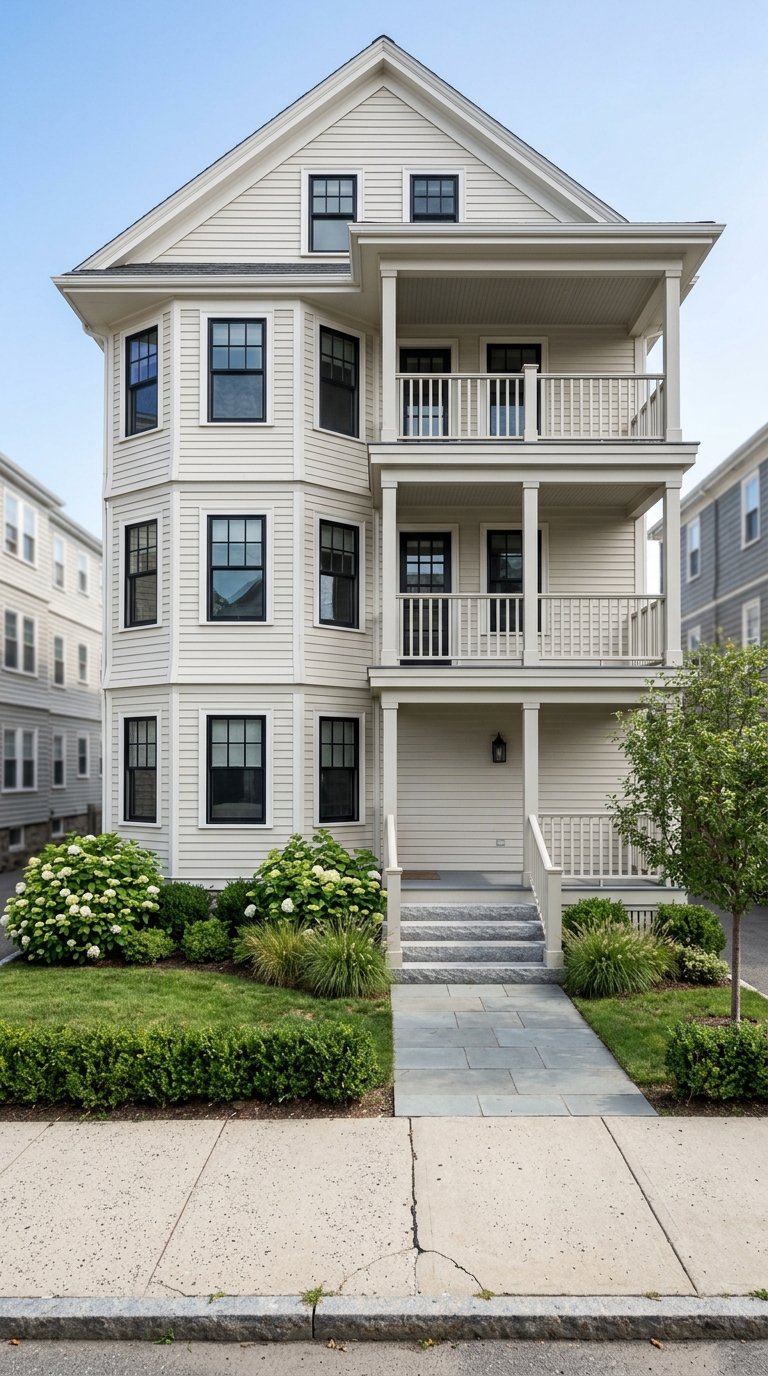
If you are thinking about selling a Providence multi-family, the work you do before listing can shape how buyers view the property from day one. In a market where demand is strong but buyers are paying close attention to condition and paperwork, small gaps can create big delays. The good news is that you do not need to over-improve to make a strong impression. You need to focus on compliance, clean documentation, and repairs that support value and financeability. Let’s dive in.
Why prep matters in Providence
Providence has a large renter base, with about 63.1% of households renter-occupied, and the city’s housing plans point to strong demand for centrally located housing. The city also reports roughly 74,770 housing units, while Redfin’s latest snapshot says homes receive about three offers on average and sell in around 40 days. That does not mean every multi-family will sell easily.
It means buyers are watching closely and comparing options. A duplex, triple-decker, or mixed-use property that is easy to understand, easy to finance, and easy to inspect will usually stand out faster than one with open questions. In practice, preparation helps reduce friction and supports a cleaner sale.
There is another reason this matters. NAR’s 2025 Remodeling Impact Report found that 46% of buyers are less willing to compromise on condition than they were in the past. For Providence sellers, that makes deferred maintenance more important than many owners expect.
Start with compliance first
Before you think about paint colors or photos, make sure your property’s compliance items are in order. For many Providence multi-family owners, this is the most important step because it affects buyer confidence and can also affect the transaction timeline.
Confirm Rhode Island Rental Registry status
Rhode Island’s Rental Registry applies statewide to residential landlords, including multi-family buildings, condos, apartment buildings, and single-family rentals. New owners or landlords must register within 30 days of acquisition or leasing, and annual updates are due by October 1.
Noncompliance can lead to fines of at least $50 per unit per month. The state also says landlords cannot file for nonpayment eviction unless they are registered and can provide proof of compliance. If your property is tenant-occupied, getting this squared away early helps avoid unnecessary concerns during due diligence.
Review lead requirements carefully
Lead compliance is especially important in Providence because the housing stock is older than the state overall. The city’s 2025 Consolidated Plan says more than 65% of rental housing and nearly 70% of all housing was built before 1959. That makes lead issues more relevant here than in many newer markets.
For pre-1978 rental properties, Rhode Island’s Lead Hazard Mitigation Law requires a Certificate of Lead Conformance unless the property is exempt. That certificate must be renewed every two years, and sellers or lessors must provide the EPA lead pamphlet and disclose known lead hazards before a buyer or tenant is obligated under contract.
This is especially important for owner-occupants selling two- to four-unit properties. Rhode Island removed the owner-occupied exemption in 2023, so some properties that may have felt exempt in the past no longer are. If you own an older Providence multi-family, do not assume your old lead status still applies.
If lead work is needed, Rhode Island says owners can only do spot removal themselves. Broader lead-hazard correction must follow state program rules and is typically handled by licensed lead professionals. Keep records of any work, clearance, and renewal documents in one place.
Know where help may be available
If lead remediation is needed before listing, there may be support options worth reviewing. Rhode Island offers a tax credit of up to $5,000 per dwelling unit for lead remediation, and RIHousing’s LeadSafe Homes assistance is available in most cases for single-family and multi-family properties statewide.
The Rhode Island Department of Health also points to local loan programs in Providence. If your property needs work to become market-ready, these programs may help you solve the issue before it becomes a deal obstacle.
Organize the income story
Once compliance is under control, turn to your paperwork. For many Providence multi-family sales, value is not just about the building. It is also about how clearly a buyer and lender can understand the income.
Fannie Mae identifies missing tenant details in rent rolls, weak lease audits, and incomplete financial statements as red flags in multifamily due diligence. HUD’s multifamily application materials also call for a current rent roll, a management plan, and a sample lease. That tells you something important as a seller: the cleaner your file, the easier your property is to underwrite.
Gather the key documents
Before the property goes live, aim to have these items organized and current:
- Current rent roll
- Signed leases and amendments
- Trailing income and expense statements
- Utility records
- Tax records
- Insurance declarations
- Delinquency ledger
- Security-deposit ledger
- Service contracts
- Documentation for completed capital improvements
If you own a mixed-use building, separate residential and commercial income and expense records whenever possible. Clear records help buyers assess the property more accurately and can reduce the risk of price renegotiation later.
Make your numbers easy to follow
A buyer is trying to understand vacancy risk, below-market rents, lease rollover timing, and deferred maintenance. A lender is doing the same thing from a finance perspective. If your records are disorganized, buyers may assume the building is riskier than it is.
This is one place where preparation can protect your net proceeds. When your rents, expenses, and repairs are documented clearly, you give buyers fewer reasons to discount the asset.
Prioritize repairs that support value
Many sellers ask the same question: What should I fix before listing? In most Providence multi-family sales, the answer is not a full cosmetic overhaul. It is a focused plan that improves first impressions and removes issues that can hurt inspections, appraisals, or financing.
NAR’s 2025 Remodeling Impact Report found strong cost recovery for a new steel front door and showed that agents often recommended painting, roofing work, and selected updates before sale. While that report focuses on owner-occupied homes, it still offers a useful direction for small multi-family properties.
Fix the issues that can derail a deal
In Providence, the first repair dollars often belong here:
- Roof leaks
- Gutters and drainage problems
- Active moisture issues
- Peeling paint
- Broken windows or doors
- Unsafe stairs or railings
- Heating problems
- Hot-water issues
- Obvious plumbing defects
- Obvious electrical defects
These are the kinds of issues that can change how a buyer feels during a showing and how a lender responds later. In an older housing market like Providence, buyers are often looking closely at building systems, exterior maintenance, and signs of water intrusion.
Pay attention to weather-related concerns
Providence’s 2025 planning documents and local market context also support a practical point: building envelope issues matter. Redfin flags the city for moderate flood risk and major wind and heat exposure, which makes exterior drainage, basements, moisture control, and weather-related wear more important in local buyer perception.
That does not mean every seller needs a major project. It means you should make sure the property feels dry, stable, and well-maintained. Buyers tend to respond better to a building that looks mechanically sound than one with expensive finishes but obvious functional concerns.
Do not confuse expensive with effective
In most cases, the most marketable Providence multi-family listings are compliant, documented, dry, and mechanically sound. That matters more than luxury finishes that do not improve rentability, habitability, or financeability.
A fresh coat of paint, a repaired railing, a resolved leak, and a complete lease file may do more for your sale than a high-end kitchen in one unit. Smart prep is about reducing objections, not just making the property look prettier.
Position the property for a smoother sale
When you prepare a Providence multi-family for market, you are really doing three things at once. You are helping the property show better, helping buyers feel more confident, and helping lenders say yes more easily.
That is where strategy matters. A seller-focused plan should balance timing, budget, and expected return. If you spend in the right places and document the building well, you can often improve marketability without overcapitalizing.
Lindsay Pettinelli’s contractor background and mortgage experience are especially valuable here. If you are weighing whether to repair, remediate, or list as-is, you want advice that accounts for buyer psychology, physical condition, and how the deal will be financed.
The goal is not perfection. The goal is a property package that feels straightforward, credible, and worth pursuing.
If you are preparing to sell a duplex, triple-decker, or mixed-use property in Providence, a clear pre-listing strategy can save time and help protect your bottom line. For guidance on pricing, prep, and positioning your building for today’s market, connect with Lindsay Pettinelli.
FAQs
What should you fix before listing a Providence multi-family?
- Focus first on issues that can hurt inspections, appraisals, or financing, such as roof leaks, drainage problems, moisture, peeling paint, broken windows or doors, unsafe stairs or railings, and heating, plumbing, or electrical defects.
Does a Providence multi-family need Rhode Island Rental Registry compliance before sale?
- If the property is a rental, Rhode Island’s Rental Registry rules apply statewide, and keeping registration current helps avoid compliance issues that may raise questions during due diligence.
Do older Providence multi-family properties need lead documentation?
- If the property is pre-1978 and not exempt, Rhode Island generally requires a Certificate of Lead Conformance, along with required disclosures before a buyer is obligated under contract.
What paperwork helps sell a Providence income property?
- A current rent roll, signed leases and amendments, trailing income and expense statements, utility and tax records, insurance declarations, deposit and delinquency ledgers, service contracts, and records for completed capital work help buyers and lenders evaluate the property.
Should you renovate a Providence triple-decker before listing?
- Usually, targeted repairs and strong documentation matter more than major cosmetic upgrades, especially when the goal is to improve first impressions, habitability, and financeability without overspending.