Wondering which repairs are actually worth doing before you list your Cranston home? That question can make selling feel more complicated than it needs to be, especially when you are trying to balance time, budget, and the goal of a strong offer. The good news is that you do not need to fix everything. With the right strategy, you can focus on the repairs that reduce buyer concern, protect your asking price, and keep your sale moving smoothly. Let’s dive in.
Why repair strategy matters in Cranston
Cranston remains an active market, but that does not mean condition stops mattering. Recent market snapshots show different numbers depending on the source, with Redfin reporting a median sale price near $500,000 and median days on market around 32 as of May 2026, while Zillow shows a typical home value around $455,895 and homes going pending in about 10 days.
The exact pace varies by methodology, but the takeaway is simple. Buyers are still paying attention to condition, presentation, and signs of deferred maintenance. In a market like this, the smartest pre-listing repairs are usually the ones that improve first impressions, reduce inspection surprises, and calm buyer nerves.
Fix major issues first
Before you think about paint colors or cabinet hardware, start with anything tied to safety, habitability, or code concerns. Cranston’s Minimum Housing Division enforces standards for structural integrity, utility installation and maintenance, and safe, sanitary conditions.
That makes certain problems top priority before your home hits the market. If buyers see these issues, they may worry about bigger hidden costs, ask for large concessions, or walk away entirely.
Focus on these high-priority repairs
- Active roof leaks or failed roof sections
- Plumbing leaks or drainage failures
- Faulty electrical wiring or unsafe fixtures
- Unsafe stairs, railings, or egress issues
- Structural concerns
- Moisture intrusion that may point to larger damage
These are the repairs most likely to create trouble during inspection and financing. If you can solve them before listing, you usually give yourself a better shot at a cleaner transaction.
Know when permits matter
In Cranston, some projects that seem cosmetic are not treated as simple minor fixes. The city says permits are required to construct, enlarge, alter, remove, or demolish a structure, and many equipment installations or alterations also require a permit.
That matters because sellers sometimes rush into last-minute upgrades without realizing the work may need approval. According to Cranston’s rules, items such as siding, replacement windows, electric wiring, certain plumbing changes, and roofing repairs greater than 100 square feet are not considered ordinary repairs.
Common pre-listing projects that may need planning
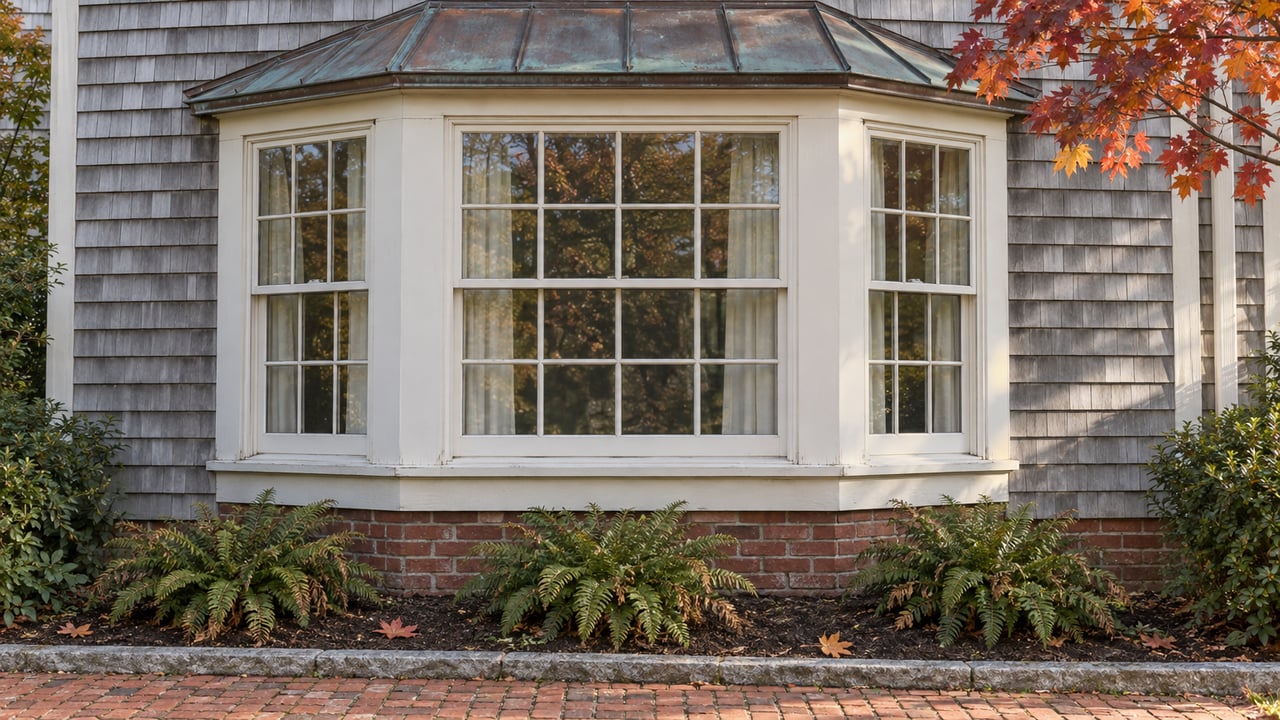
- Replacement windows
- Siding work
- Larger roofing repairs
- Electrical updates
- Certain plumbing modifications
If you are considering any of these, build in time for proper planning. In Rhode Island, every contractor and subcontractor doing this type of work must be registered, and an unregistered contractor cannot perform contracting work or obtain a building permit in any Rhode Island city or town.
Prioritize visible updates with better resale potential
Once major defects are handled, shift your attention to the repairs and updates buyers notice right away. National and regional resale data suggest exterior improvements often outperform large discretionary interior remodels when it comes to payback.
In the New England region, the 2025 Cost vs. Value data shows especially strong returns for projects like garage door replacement, steel entry door replacement, fiber-cement siding replacement, manufactured stone veneer, and even a minor kitchen remodel. That does not mean you need to take on every one of these projects. It means visible, practical improvements often do more for resale than expensive custom work.
Smart pre-listing updates to consider
- Fresh paint in worn or dated areas
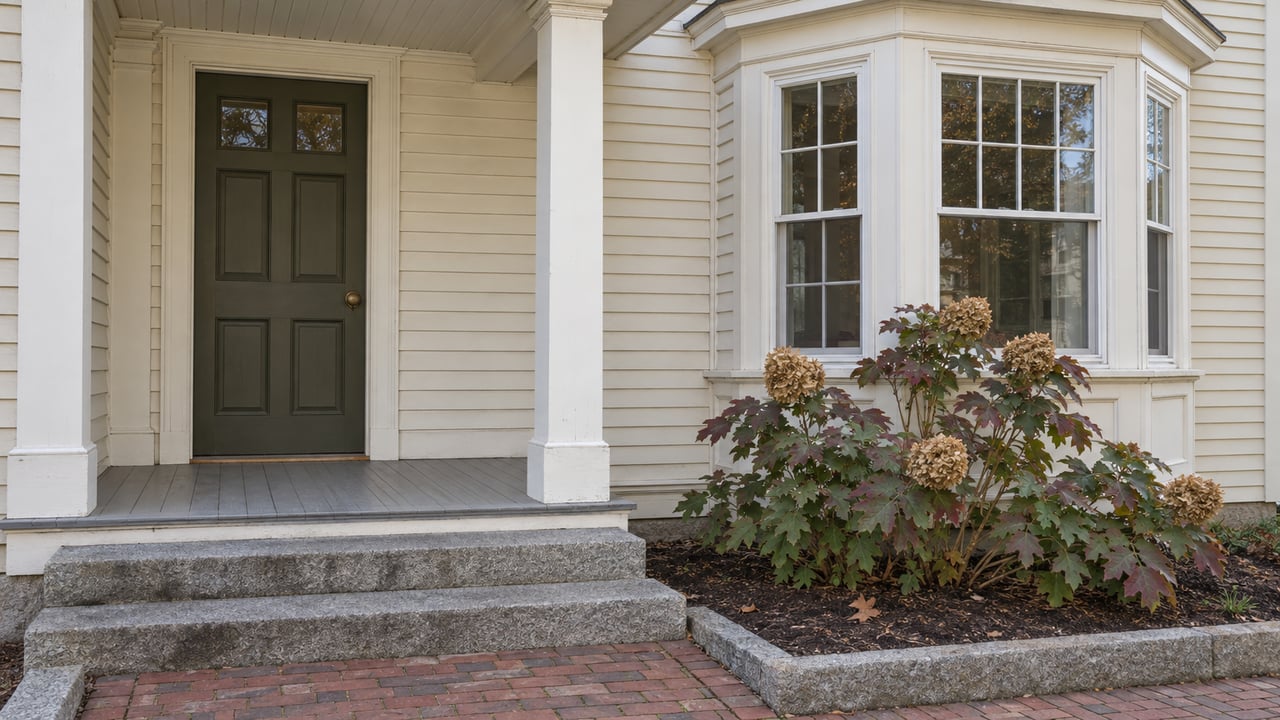
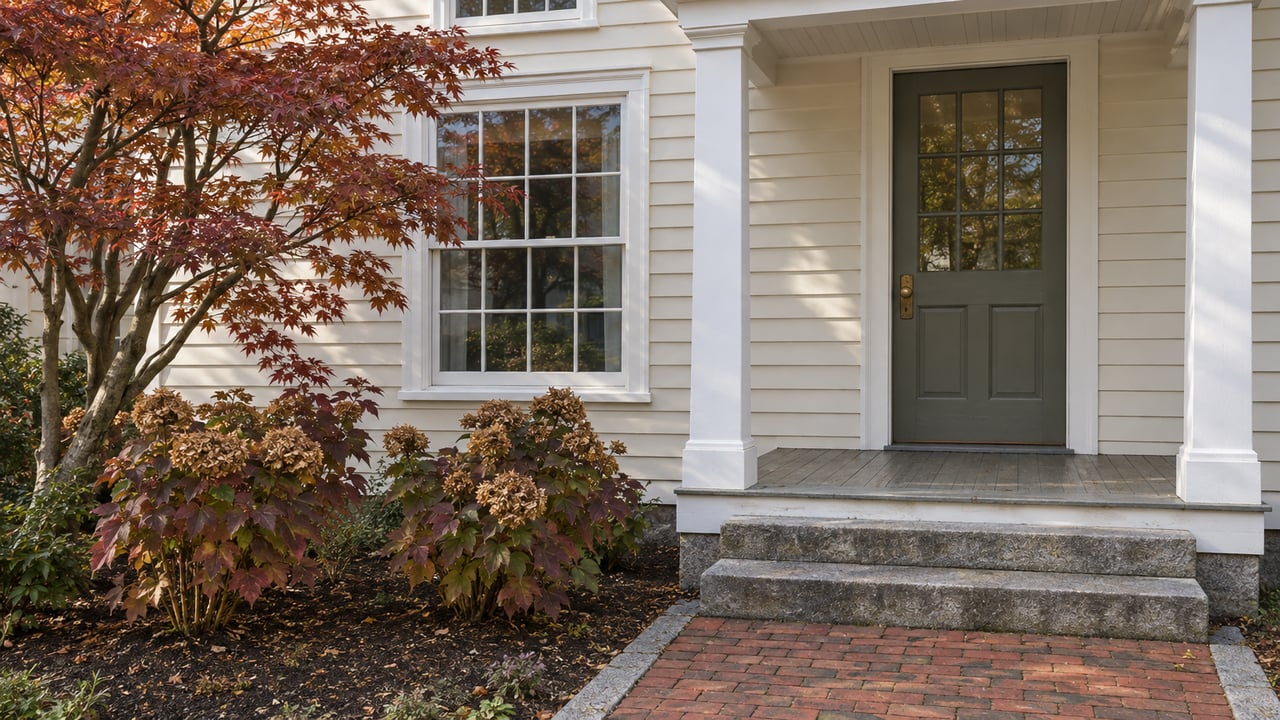
- Updated front door or entry hardware
- Improved exterior lighting
- Garage door refresh or replacement
- Minor kitchen touch-ups
- Minor bath touch-ups
- Basic landscaping cleanup
These kinds of improvements help your home feel cared for without pushing you into a major renovation budget. They also support stronger listing photos and better first impressions during showings.
Skip major remodels when the return is weak
One of the biggest mistakes sellers make is over-improving right before listing. Bigger discretionary projects often bring a much weaker return than sellers expect.
In the same New England data set, major midrange kitchen remodels recoup about 50.9%, upscale bath remodels about 41.7%, and upscale primary suite additions about 18%. If the issue is mostly cosmetic, dated, or based on personal taste, a full replacement may not be your best move.
When a credit or price adjustment may work better
Instead of pouring money into a large remodel, it may make more sense to:
- Price the home with the condition in mind
- Offer a seller credit during negotiation
- Disclose the issue clearly and let the buyer choose their own updates
This approach is often more efficient when the work is expensive and preference-driven rather than necessary for safety or function.
Do not try to fix everything
You do not need to repair every item a buyer or inspector might notice. A better filter is to ask whether the issue affects safety, structure, water intrusion, code compliance, or financing.
If the answer is yes, it usually deserves serious attention before listing. If the issue is minor wear, dated style, or a buyer preference item, it may be better handled through presentation, pricing, disclosure, or negotiation.
Use disclosure rules to guide your decisions
Rhode Island law requires a completed residential real estate disclosure form to be included in the purchase and sale agreement. Failure to provide it does not void the contract, but it can still lead to a civil penalty of up to $1,000 per occurrence.
Just as important, the disclosure form is not a warranty. The law also says buyers should inspect the property and estimate repairs before making an offer, and sellers do not have an affirmative duty to inspect the property.
What this means for Cranston sellers
- You still need to disclose known deficient conditions
- An as-is sale does not remove disclosure obligations
- Known defects can still affect pricing and negotiation
- Hiding likely inspection issues usually creates more trouble later
In practical terms, if you know about a problem that is likely to show up during inspection, it is usually better to address it or disclose it clearly than to hope it gets missed.
Pay extra attention if your home was built before 1978
If your home was built before 1978, lead-based paint rules may affect your sale. Federal and Rhode Island requirements apply in these cases.
Sellers must disclose known lead-based paint or lead hazards. Rhode Island rules also require owners to keep lead certificates and inspection reports while they own the property and provide available records and known information to the buyer and agent.
There is also generally a 10-day lead inspection period before the buyer becomes obligated under most contracts. If your home falls into this category, it is worth gathering records early so you are not scrambling once your home is under agreement.
Consider a pre-listing inspection
Rhode Island law does not require you to inspect your property before selling. Still, a pre-listing inspection can be a useful tool if you want a clearer picture of what really matters.
It can help you separate urgent repairs from optional fixes and reduce the chance of surprise negotiations later. For many sellers, that clarity makes it easier to budget wisely and list with confidence.
A practical repair plan for Cranston sellers
If you want a simple way to think about your next steps, use this order of operations.
Step 1: Correct serious defects
Address issues tied to safety, structure, leaks, utilities, and anything likely to create a code or financing problem.
Step 2: Review permit-triggering work
If you are considering windows, siding, roofing, electrical, or plumbing changes, confirm whether the work needs permits and registered contractors.
Step 3: Improve first impressions
Tackle visible, cost-conscious updates that make the home feel maintained and welcoming.
Step 4: Price and negotiate the rest
For large, taste-based, or low-return projects, consider disclosure, pricing strategy, or a seller credit instead of a full remodel.
Why local guidance helps
Pre-listing repair decisions are rarely just about fixing things. They are about deciding what will improve your net result and what could turn into wasted spending.
That is where local, technical guidance can make a real difference. Lindsay Pettinelli’s background in both real estate and construction can help you evaluate which repairs are worth doing, which projects may trigger permits, and which items are better solved through pricing or negotiation.
If you are thinking about selling in Cranston and want a smart plan before you spend a dollar on repairs, connect with Lindsay Pettinelli for a free home valuation and personalized pre-listing strategy.
FAQs
What repairs should Cranston sellers make before listing a home?
- Focus first on safety, structural issues, leaks, utility problems, and other items that may create inspection, code, or financing concerns.
Do Cranston home repairs need permits before listing?
- Some do. Cranston says projects such as replacement windows, siding work, roofing repairs greater than 100 square feet, electric wiring, and certain plumbing changes are not ordinary repairs and may require permits.
Should you remodel a kitchen before selling a Cranston home?
- Usually, only minor kitchen improvements make sense before listing. Regional resale data shows minor kitchen remodels perform much better than major discretionary remodels.
Can you sell a Cranston home as-is and skip disclosure?
- No. Rhode Island still requires the residential real estate disclosure form, and known defects can still affect negotiations even in an as-is sale.
Should Cranston sellers get a pre-listing inspection?
- It is not required, but it can help you identify urgent issues, avoid surprises, and decide which repairs are worth making before your home goes on the market.