If you are thinking about moving to Cranston, one question matters more than almost anything else: which part of the city fits the way you want to live? Cranston is not one-note. It blends historic village streets, retail-centered districts, established bay-side neighborhoods, and quieter low-density areas farther west. This guide will help you understand how Cranston’s neighborhoods differ, what daily life looks like across the city, and which areas may best match your priorities. Let’s dive in.
Why Cranston Feels So Varied
Cranston is Rhode Island’s second-largest city, with 82,934 residents spread across 28 square miles. According to the City of Cranston statistics page, the city includes suburban neighborhoods, rural areas in the west, shoreline along Narragansett Bay in the east, and multiple village centers throughout.
That mix gives Cranston a wide range of housing styles and lifestyles. The city also reported a 2024 median selling price of existing homes of $432,950 and a median household income of $83,123, which gives you a useful snapshot of the local market as you compare options.
How To Understand Cranston Neighborhoods
A helpful way to think about Cranston is as a set of distinct lifestyle zones. The city’s planning and economic development materials point to village centers such as Pawtuxet Village, Knightsville, Rolfe Square, and Garden City Center, while also highlighting character areas like Edgewood, Oaklawn, Meshanticut, and broader east-west residential patterns.
In simple terms, eastern and village-centered areas tend to feel older, denser, and more historic, while western Cranston tends to offer lower-density development, larger lots, and a quieter, more car-dependent setting. That difference shapes everything from home styles to how you run errands and spend weekends.
Pawtuxet Village: Historic And Waterfront Feel
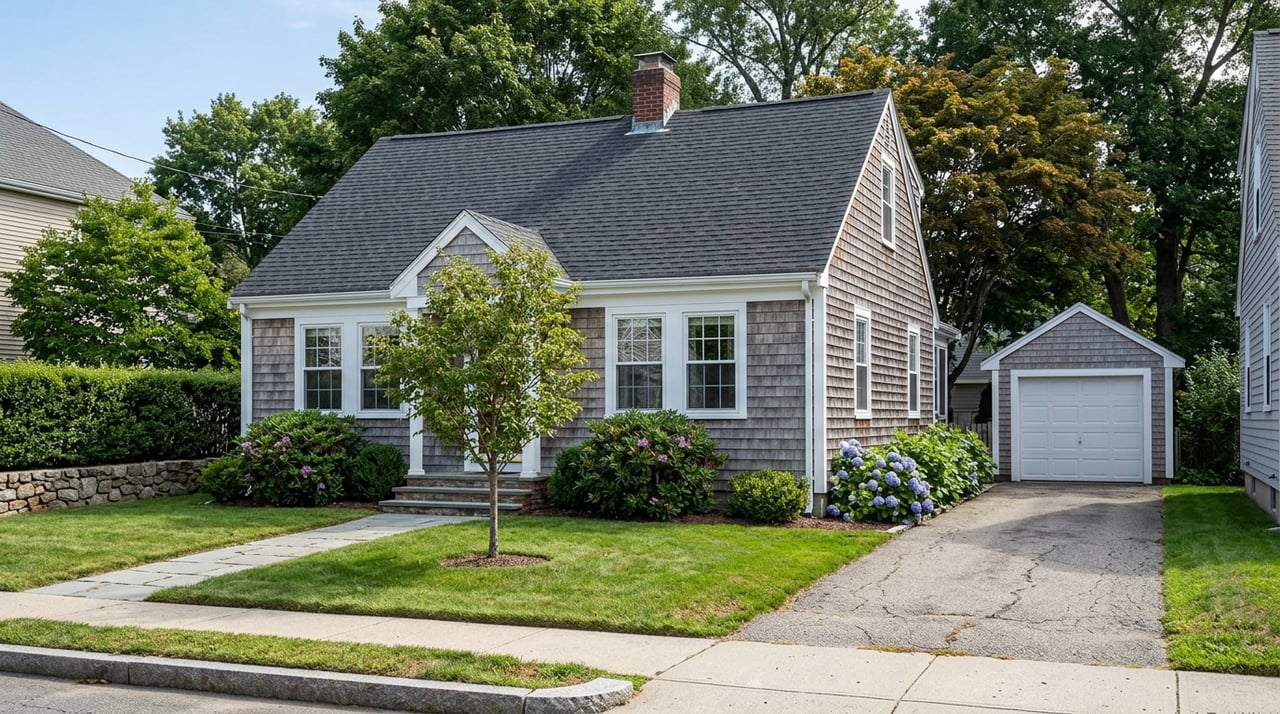
If you are drawn to older homes and a classic village setting, Pawtuxet Village is one of Cranston’s most distinctive areas. The city describes it as one of New England’s oldest communities, with a mix of colonial and Victorian homes along with Cape Cod cottages built after World War II.
Because it sits near the water and continues to function as a village center with restaurants and seasonal activity, Pawtuxet offers a lifestyle that feels more compact and historic than many suburban neighborhoods. You can learn more through the city’s overview of the Pawtuxet Village Historic District.
For buyers, this area can be especially appealing if you value architectural variety and a neighborhood with a strong sense of place. If you are comparing Cranston neighborhoods by character alone, Pawtuxet usually stands out quickly.
Edgewood: Established Bay-Side Living
Edgewood is another east Cranston neighborhood with a strong historic identity. City planning and preservation materials describe it as a bay-side neighborhood with period homes built roughly between 1850 and 1941.
That history often translates into an established residential setting with older housing stock and a more traditional street pattern than what you may find farther west. For buyers who like mature neighborhoods and homes with earlier architectural styles, Edgewood is one of the clearest examples in Cranston.
Garden City And Chapel View: Convenience First
If convenience is high on your list, Garden City and Chapel View deserve a close look. The city identifies Garden City Center and Chapel View as Cranston’s premier shopping and dining centers, and planning materials note that Chapel View combines retail, office, and residential uses next to Garden City.
This part of Cranston is a strong fit if you want easy access to shopping, restaurants, and everyday errands. It also appeals to buyers who prefer a more mixed-use environment rather than a purely residential setting.
For many people, this is the easiest part of Cranston to imagine in day-to-day terms. You are choosing a location built around accessibility and activity, which can be a major advantage if you want services close at hand.
Knightsville And Rolfe Square: Local Business Hubs
Knightsville and Rolfe Square offer a different kind of neighborhood energy. Cranston’s comprehensive plan describes Knightsville as an urban center with restaurants and service businesses, and the city has highlighted streetscape work there, including sidewalks and lighting.
Rolfe Square is another commercial center near City Hall and Cranston High School East, with restaurants and small businesses. If you want a setting with more visible local business activity and a stronger street-life feel, these areas may be worth exploring.
These neighborhoods are often a good fit for buyers who like being near established commercial corridors but still want to stay within Cranston. Compared with the west side, they generally feel more central and active.
Oaklawn And Meshanticut: Older Homes And Park Access
Oaklawn offers another layer of Cranston’s historic housing story. The city describes Oaklawn Village Historic District as a historically residential district with about 35 buildings along Wilbur Avenue, including eighteenth-century, Greek Revival, Queen Anne, and Shingle-style homes.
Nearby Meshanticut adds recreational appeal and green space to the picture. This part of Cranston can be especially attractive if you want an older home, neighborhood-scale streets, and proximity to parkland.
For buyers who enjoy character homes but may not be looking for a bay-side setting, Oaklawn and Meshanticut create an interesting middle ground. They reflect Cranston’s earlier development history while still feeling connected to everyday amenities.
West Cranston: Larger Lots And A Quieter Pace
West Cranston is where the city’s lower-density suburban and semi-rural character becomes most visible. Cranston’s 2024 comprehensive plan says nearly all of western Cranston is zoned A-80 residential, which uses the city’s largest minimum lot sizes.
The same plan describes the area as mostly residential, with low-density housing, agricultural land, forested areas, and undeveloped open space. It also notes that west Cranston is generally more tranquil, less congested, and more automobile-dependent.
If you are looking for larger yards, quieter streets, and a more spread-out feel, west Cranston is usually the first area to consider. It offers a very different experience from the denser, older neighborhoods closer to the bay and village centers.
What Housing Looks Like Across Cranston
One of Cranston’s biggest strengths is variety. According to city materials, east-side and village areas tend to feature older and denser housing, while west Cranston shifts toward postwar suburban development, larger lots, and more open space.
That means your housing search may look very different depending on where you focus. In one part of the city, you may be comparing colonial, Victorian, or early 20th-century homes. In another, you may be looking at more suburban-style properties with larger setbacks and more land.
This is where local guidance matters. If you are weighing charm, renovation needs, lot size, and resale potential, it helps to compare neighborhoods through both a lifestyle lens and a property-condition lens.
Daily Life In Cranston
Beyond housing, Cranston offers a broad set of amenities that support everyday convenience. Cranston Public Schools operates a citywide system that includes elementary, middle, and high school options, along with career and technical education and advanced coursework.
The city also reports a 4.5-mile bike path, 33 tot parks, 6 walking tracks, a municipal youth center, and two state parks. For many buyers, those amenities help explain why Cranston appeals to people who want a suburban setting with a strong local infrastructure for recreation and day-to-day living.
Shopping and dining are also easy to map. Garden City Center and Chapel View are the city’s best-known retail hubs, while Pawtuxet Village, Knightsville, and Rolfe Square each add their own local business districts and neighborhood character.
Which Cranston Area Fits Your Lifestyle?
If you are narrowing your search, it helps to match your priorities to Cranston’s layout.
If you want a village feel
Pawtuxet Village, Garden City, Knightsville, and Rolfe Square are some of the city’s strongest village-like or walkable areas based on planning materials and commercial patterns. Each offers a more concentrated neighborhood center than the lower-density west side.
If you want older-home character
Pawtuxet, Edgewood, and Oaklawn stand out most clearly. These areas reflect Cranston’s earlier development history and include some of the city’s best-known historic housing patterns.
If you want shopping convenience
Garden City and Chapel View are the clearest fit. They are the city’s premier shopping and dining nodes and offer the easiest access to retail-driven daily errands.
If you want more space and a quieter setting
West Cranston is usually the top choice. The city’s land-use and zoning pattern supports a more residential, lower-density environment with larger lots and more open space.
Why Neighborhood Choice Matters In Cranston
In many cities, neighborhood differences can feel subtle. In Cranston, they are often a major part of the decision. A buyer looking for historic character near the bay may end up in a very different part of the city than someone focused on larger lots, newer suburban patterns, or proximity to shopping.
That is why it helps to look beyond the listing photos. You want to understand how each area functions day to day, how housing stock varies, and what tradeoffs come with each location.
If you are thinking about buying or selling in Cranston, working with an advisor who understands property condition, neighborhood positioning, and value can make the process much clearer. For tailored guidance on Cranston homes and nearby Rhode Island markets, connect with Lindsay Pettinelli.
FAQs
What are the most village-like neighborhoods in Cranston?
- Pawtuxet Village, Garden City, Knightsville, and Rolfe Square are some of the strongest examples of village-like areas in Cranston based on city planning materials and commercial activity.
Which Cranston neighborhoods are known for older homes?
- Pawtuxet, Edgewood, and Oaklawn are the clearest areas for older housing character, with homes dating from the colonial era through the early and mid-20th century.
Where should you look in Cranston for larger lots?
- West Cranston is the city’s main area for larger-lot, lower-density residential development according to the 2024 comprehensive plan.
Which part of Cranston is best for shopping and dining convenience?
- Garden City and Chapel View are the city’s premier shopping and dining centers and are the strongest fit if convenience is your top priority.
What is the median home price in Cranston?
- The City of Cranston reports a 2024 median selling price of existing homes of $432,950.
What amenities does Cranston offer for daily life and recreation?
- Cranston offers a citywide public school system, a 4.5-mile bike path, 33 tot parks, 6 walking tracks, a municipal youth center, and two state parks according to city and school district sources.