Outgrowing your starter home in Providence and wondering where your next chapter should be? You want more bedrooms, a real yard, and a location that fits school, commute, and daily life. The good news is that Providence offers several great move-up options at different price points and styles. This guide compares key neighborhoods, outlines timing and financing strategies for a smooth trade, and highlights renovation and permitting rules you should know before you write an offer. Let’s dive in.
How to choose your next Providence neighborhood
Before you focus on a specific block, get clear on your non-negotiables. For many move-up buyers, that means the number of bedrooms and bathrooms, outdoor space, and school access. Add commute tolerance, renovation appetite, and long-term resale to your list.
If you want classic homes and strong school options, the East Side leads the pack at a premium. If you want more house and yard for your budget, look at Mount Pleasant, Reservoir, or parts of Elmwood and the North End. If walkability and proximity to restaurants matter more than yard size, Federal Hill and adjacent areas can be a fit.
Neighborhood snapshots for move-up buyers
East Side: College Hill, Blackstone, Wayland, Fox Point, Hope
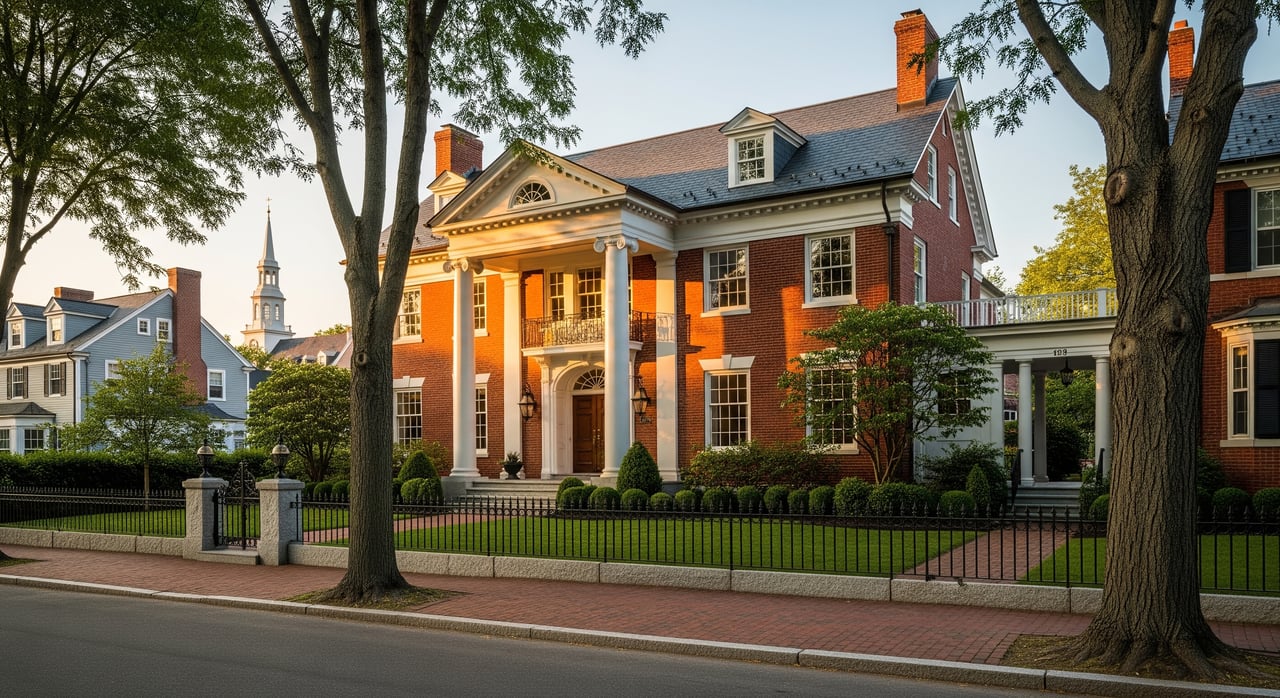
You will find many 18th to early 20th century single-family homes here, including Victorian, Colonial, and Queen Anne styles. Lots tend to be gracious for city living, and the architecture draws buyers who value character and walkability near Brown University and major hospitals. Inventory includes some multi-unit properties and late 19th century triple-deckers in pockets.
School access includes a mix of public, charter, and numerous private and independent options in the metro area. Always verify enrollment boundaries and program availability, since these can change. Commutes to downtown and the universities are short with easy access to I-95 and I-195, and the Providence train station is a short drive or ride.
Renovation can involve historic review for exterior changes on College Hill and some blocks across the East Side. Interior work is usually flexible, but permits are still required for structural, electrical, and plumbing. Expect the highest prices in the city, and competition for turnkey single-family homes.
Federal Hill and West End
This area offers a mix of narrow-lot rowhouses, late 19th and early 20th century single-families, and denser multi-family buildings near the commercial corridor. You will also find some larger houses along the western slopes. Buyers often choose this location for walkability to restaurants and amenities and for its short commute to downtown.
Public and charter schools serve the area, and some families consider private options across the metro. Renovation potential varies. Many homes retain historic features, and some blocks may have local review for exterior work. Price tiers range from mid to upper mid near the Hill’s core and vary elsewhere.
Mount Pleasant and Reservoir
These northern neighborhoods include early to mid 20th century single-family homes and bungalows, often on larger lots than central neighborhoods. The feel can be more suburban while still keeping you in Providence. If you want more bedrooms and a yard without leaving the city, this is a strong middle ground.
Public schools serve the area with proximity to private options. Commutes to downtown are reasonable, often 10 to 25 minutes depending on traffic. Most properties are outside strict historic districts, which can make additions or basement finishes more feasible, subject to zoning and lot coverage rules. Prices are generally mid-range, lower than the East Side and higher than some South and West neighborhoods.
Elmwood, Upper South Providence, and South Providence
Here you will see a mix of single-family homes, older worker housing, and mid-century properties, plus some newer infill redevelopment. Move-up buyers come for more interior space and yard at a lower entry price, often with an openness to renovation. This can be an opportunity to stretch your budget if you are comfortable updating systems or finishes.
Public schools serve these neighborhoods, and resources vary. The commute to downtown is short to moderate and close to hospitals and I-95. Renovation potential is strong, but be mindful of deferred maintenance in lower-priced inventory. The price tier is lower to mid citywide.
Smith Hill, North End, Olneyville, and Valley
Housing is varied. You will find older triple-deckers, single-family homes, and many properties renovated in recent years, especially in Olneyville and Valley where arts and industrial conversions have taken hold. The overall feel is urban, with improving bikeable corridors in some pockets.
Public and charter schools serve the area. Commutes to downtown are short, and highway access is convenient. There are many renovation opportunities, but it is smart to check local zoning and floodplain maps in low-lying areas. Prices range from mid to lower depending on the block and condition.
Charles and other northern pockets
In Charles and nearby northern areas, the housing stock includes modest single-family and mid-century homes with some larger detached houses. Lots can be more spacious than in central neighborhoods, which appeals to buyers who want more interior square footage and outdoor space.
Commutes to downtown are moderate, roughly 10 to 25 minutes with highway access. School assignments vary by catchment, so confirm boundaries for any specific address. Renovation potential is good and many properties are not in historic districts, which can simplify additions or expansions.
Market picture and timing for move-up buyers
Mortgage rates rose in 2022 and 2023, which cooled the rapid price growth of 2020 and 2021. Inventory across the Northeast has remained tight, and Providence is no exception. That reality makes timing and offer structure more important for move-up transactions.
Typical hurdles include contingencies tied to your current home sale, higher payments at today’s rates, and the decision to buy turnkey or take on a renovation. You can manage these by selling first and then buying, making a contingent offer with strong financing proofs and flexible closing windows, or using bridge financing or a home equity line if you qualify. Some buyers trade into neighborhoods with slightly lower median prices within the city to maximize space within their budget.
A smart step is to partner early with an agent and lender who can model multiple scenarios, including bridge options and temporary housing. You want clarity on monthly payments, down payment sources, and timing for a rent-back if needed. That planning helps you move fast when the right home hits the market.
Renovation and permitting essentials in Providence
Many move-up buyers improve their next home to fit family life. Common projects include finishing a basement, converting a third floor, expanding a kitchen, adding a family room, or building a garage if lot coverage allows. Some buyers convert a two or three-family to a single-family, which requires careful review of zoning and code.
Expect to pull permits for almost any structural work and for new electrical, plumbing, or roofing. Plan for inspections and code compliance. In historic districts, exterior changes typically require review by the Providence Historic District Commission. That can add cost and extend timelines, so factor review windows into your schedule.
Watch for red flags that can affect budget and feasibility. These include historic overlay restrictions, deed limitations, flood zones, and deferred maintenance on older mechanicals, roofs, or foundations. Permit review can add 4 to 12 weeks or more depending on complexity. Build that into your purchase and move timeline.
Schools, commute, and services: evaluate with a plan
School fit
Use multiple sources to evaluate schools, including state performance reports and district boundary maps. School ratings vary by campus and can change over time. If private or charter options are part of your plan, look into tuition, application windows, and waitlists early.
For many buyers, East Side neighborhoods offer proximity to a wider range of independent schools, along with public and charter choices. Across the city, always verify current boundary lines for public school assignment for any address.
Commute and transportation
Most core neighborhoods are 10 to 20 minutes from downtown destinations, with northern and highway-adjacent areas often 15 to 30 minutes depending on traffic. Driving is common via I-95 and I-195, and you have access to RIPTA bus routes. The Providence station provides MBTA and Amtrak service, which is useful if one partner commutes to Boston.
If you rely on cars, look closely at off-street parking and garage options. Many older homes have limited driveway space. If you bike or ride transit, review routes and frequency to your typical destinations.
Daily life and amenities
Consider parks, playgrounds, libraries, and community centers you will use most. Many neighborhoods are walkable for groceries and dining, especially the East Side and Federal Hill. Providence has strong hospital coverage, including pediatric care, and childcare availability can be tight, so check local waitlists if that is part of your plan.
Step-by-step move-up plan
Set your budget and financing
- Get a pre-approval that covers your target price, plus scenarios for a bridge loan or home equity line.
- Ask your lender to model payments at current rates and to outline funds for down payment and reserves.
- Decide if you will sell first or buy first, and plan for temporary housing or a rent-back if you sell first.
Focus your search
- Define your minimum bedroom and bathroom count, and your ideal yard size.
- Shortlist neighborhoods that align with your commute and school preferences.
- Decide your renovation tolerance and whether you want turnkey or a project.
Due diligence before you offer
- Confirm school catchment and any enrollment requirements for the address.
- Check zoning, lot coverage, and historic status to evaluate expansion options.
- Verify floodplain status and whether flood insurance applies.
- Review recent tax assessments and projected property taxes.
Inspections and negotiation
- Order thorough inspections, including structural, pest, HVAC, sewer line, and radon where applicable.
- Ask about lead paint and older systems for homes built before 1978, which is common in Providence.
- If you plan a renovation, line up cost estimates and permit timelines before you finalize contingencies.
Close and plan improvements
- Build a realistic renovation schedule that includes permit review time.
- Prioritize safety and envelope items first, including roof, structure, and mechanicals.
- Phase cosmetic updates to match your budget and lifestyle.
Putting it all together
There is no one best neighborhood for every move-up buyer in Providence. The right fit depends on how you balance space, yard, schools, commute, and willingness to renovate. East Side homes deliver historic character and broad school access at a premium. Mount Pleasant, Reservoir, and northern pockets give you more house and yard while staying in the city. Elmwood, South Providence, and parts of the North End offer affordability and renovation upside.
If you want a clear, step-by-step plan to move up without losing momentum, connect with an advisor who can align market strategy with renovation feasibility and financing. With the right guidance, you can trade into a home that fits your family now and positions you well for resale later. Ready to map out your move-up plan? Reach out to Lindsay Pettinelli for a tailored consult.
FAQs
Which Providence neighborhoods offer the widest range of school options?
- East Side neighborhoods provide proximity to a variety of independent schools along with public and charter options, but verify current boundaries and programs for any address.
How competitive are East Side single-family homes for move-up buyers?
- Turnkey East Side homes often see strong interest and top-tier pricing, so prepare with solid financing and flexible terms to strengthen your offer.
What should I know about renovating in Providence historic districts?
- Exterior changes in areas like College Hill typically need Historic District Commission review, which adds time and may affect materials and costs, while interior work still requires permits.
How do commute times compare across Providence neighborhoods?
- Many central neighborhoods are about 10 to 20 minutes to downtown, with northern and highway-adjacent areas often 15 to 30 minutes depending on traffic and time of day.
Should I sell my current home before buying my move-up home in Providence?
- Selling first avoids contingent offers and can improve negotiating power, though it may require temporary housing or a rent-back; bridge financing is another option if you qualify.
What inspections are most important for older Providence homes?
- Order structural, pest, HVAC, sewer line, and radon tests where applicable, and ask about lead paint and older systems for pre-1978 properties common in the city.