Is it smarter to invest in upgrades or list your Providence home as-is and move on? You are not alone in asking. With older housing stock and a fast-moving market, the right path depends on your property’s condition, neighborhood, and timeline. In this guide, you will see where renovations usually pay off, what lenders and buyers treat as must-fix items, and how to compare the numbers so you can choose with confidence. Let’s dive in.
Providence market reality
Price snapshots differ by source, which is normal. Zillow’s value index shows Providence around $418,000, while Redfin’s recent median sale price read closer to $595,000. These differences reflect methodology and seasonality, so use them for context and pair them with a neighborhood-level CMA before you make decisions. You can explore the citywide context on Zillow’s Providence home values and Redfin’s market page.
Speed matters too. Recent snapshots show homes moving from new listing to pending in roughly a month, with some variance by neighborhood and time of year. Faster markets can reward strategic refreshes. Slower weeks or properties with larger issues may favor pricing for an as-is sale.
Neighborhood variation is real. The East Side, including College Hill, typically commands higher medians, while more industrial or investor-focused pockets trade differently. That is why a local CMA and a quick pre-listing condition check are your best first steps.
Providence has older homes. Plan for that.
Providence and the wider metro have a high share of homes built before 1980, and many before 1940. That increases the chance of legacy systems like knob-and-tube wiring, lead-based paint, older roofs, and aging porches or chimneys. For context, see research on the region’s older housing profile from ConstructionCoverage.
Older does not mean problematic, but it does mean you should separate cosmetic updates from safety or compliance items that can block financing.
What to fix vs what to leave as-is
Safety and compliance: address these first
Buyers and lenders treat certain issues as red flags. Fix or price accordingly.
- Roof wear and water intrusion. Roof condition, gutters, flashing, and signs of moisture are top inspection findings in New England and can affect offers or financing. See common themes summarized by inspectors on InterNACHI’s forum.
- Electrical hazards. Outdated panels, ungrounded outlets, or knob-and-tube wiring raise safety and insurance concerns.
- Heating systems and oil tanks. If your home ever used oil, a tank scan can prevent surprises. Abandoned or leaking tanks can stall loans and trigger remediation. Learn how scans work from REMEDI TEC.
- Lead-based paint in pre-1978 homes. Rhode Island enforces lead-safety rules for rental properties, certificates, and disclosures that can impact a sale, especially in multi-families. Review seller and landlord obligations from the RI Department of Health.
- Major structural issues. Foundation settlement or framing concerns must be documented and typically addressed or heavily priced in.
If any of these apply, either remediate before listing or obtain written estimates and disclose clearly. Many buyers and lenders will require it.
Cosmetic and negotiable: often fine to sell as-is
Dated kitchens or baths, worn flooring, tired paint, and older-but-functional HVAC are usually negotiable. Buyers often accept a fair price adjustment or a targeted credit, especially if you provide a recent pre-listing inspection and contractor quotes. When your neighborhood rewards turnkey homes, a small, smart refresh can boost appeal and shorten days on market.
Cost vs value in New England: where updates pay
Regional Cost vs Value benchmarks and agent surveys point to a consistent pattern: prioritize exterior and light-touch interior projects when you plan to sell soon. You can review New England ROI patterns in the latest table from the Journal of Light Construction’s Cost vs. Value report here.
High-value quick wins
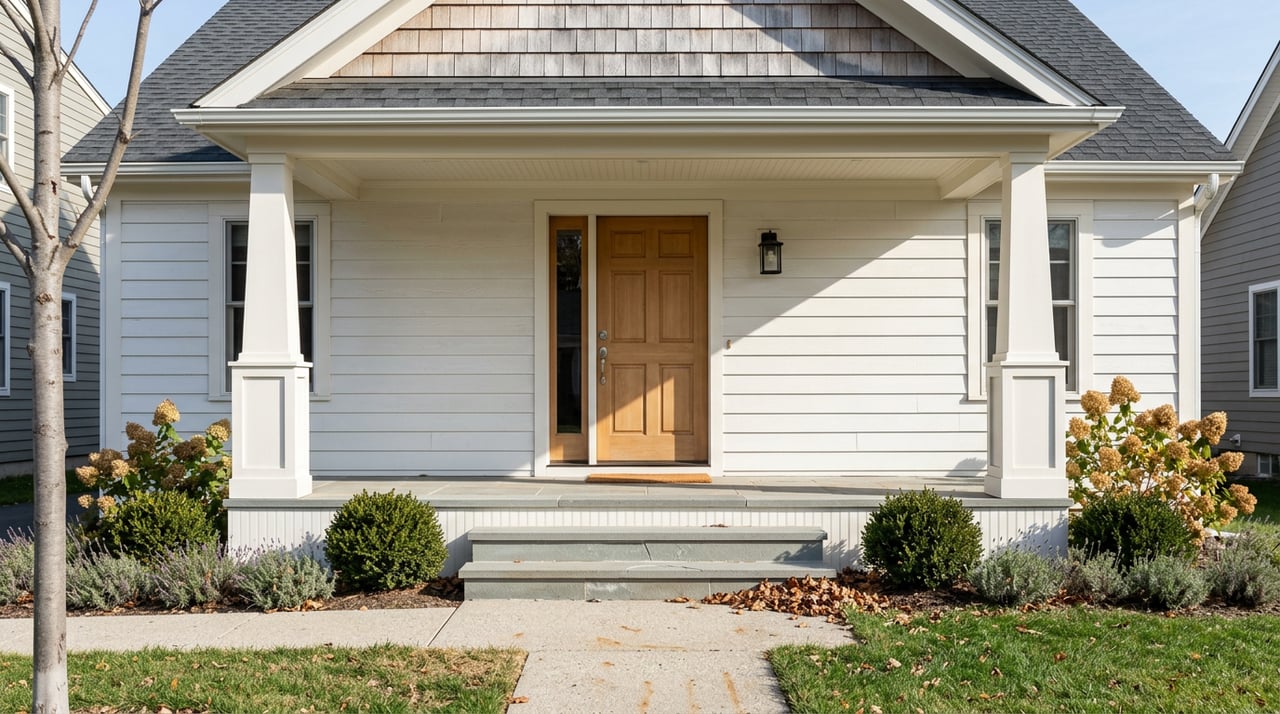
- Entry door or garage door replacement. These curb appeal upgrades often recoup a large share of cost in New England and improve first impressions.
- Targeted exterior repairs. Fiber-cement or selective siding and trim repairs can present a well-cared-for envelope and address weatherproofing.
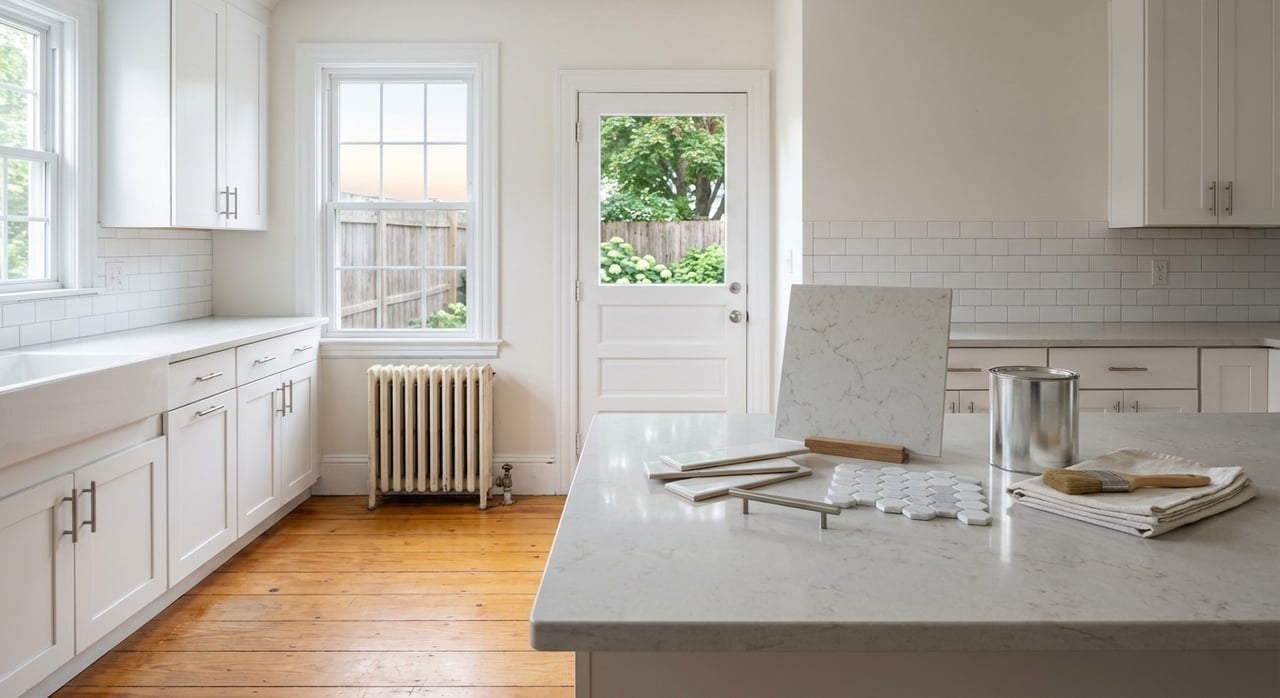
- Minor kitchen refresh. Painting cabinets, swapping hardware, updating counters or a few appliances, and adding lighting tends to deliver stronger recovery than a full gut. Buyers react to clean, bright, and functional.
Proceed with caution
- Full upscale kitchen or primary-suite additions. Large, high-end scopes often recoup well under their cost when the goal is resale within a year. They may still be right if you plan to hold long term.
- Whole-house window replacement. Returns are mixed when done purely for resale. Repair or document energy performance instead if the windows function well.
Local cost ranges to anchor your plan
- Minor kitchen refresh. Local contractors place light-to-mid refreshes roughly in the $5,000 to $25,000 range depending on scope, with midrange remodels higher. See a Rhode Island cost overview from Rockhouse Construction.
Costs vary widely by house size, finish level, and permits. Always obtain 2 to 3 bids before you commit.
Permits, lead, and historic rules in Providence
Before you budget visible exterior work, confirm what approvals you need. Providence’s Department of Inspections and Standards manages permits, code, and occupancy matters. Start with the state’s directory to reach Providence DIS and confirm current requirements at the RI Building Code Commission.
If your home is inside a local historic district, exterior changes may require a Certificate of Appropriateness and historically compatible materials. That can add cost and time, so build that into your schedule. For pre-1978 homes, align your sale plan with Rhode Island’s lead-safety rules and any needed certificates, especially if the property is a rental. Oil heat conversions or prior tanks should be documented with a tank scan or abandonment paperwork to keep lenders comfortable.
A simple decision framework
Use this five-part lens to decide whether to renovate or sell as-is:
- Market tempo in your micro-neighborhood.
- If turn-key listings sell quickly nearby, small updates can earn a premium. If buyer demand is more investor-driven, as-is pricing may be best.
- Safety and compliance findings.
- Fix or price for issues that block financing or limit your buyer pool, like lead hazards in rentals, unsafe electrical, active leaks, or structural problems.
- Project ROI and scope.
- Favor projects with high recovery and short timelines. Avoid luxury remodels when selling soon.
- Timeline and carrying costs.
- If you need speed, an as-is or credit-for-repairs strategy can net more after you factor in holding costs and risk.
- Permits and historic constraints.
- Confirm approvals early so you do not lose weeks during peak selling windows.
Real-life Providence scenarios
East Side single-family aiming for top-dollar
Comps in neighborhoods like College Hill typically sit well above the citywide average. Buyers expect clean presentation and functional updates. A light kitchen refresh, interior paint, and curb clean-up often improve traffic and help you compete for the best offers. Regional Cost vs Value data supports minor kitchen and exterior updates as stronger payback plays than large-scale remodels.
South Providence two-family marketed to investors
In investor-heavy pockets, most buyers plan to renovate. It is often smarter to address safety and code items, align with lead requirements if renting, and list as-is with a pre-listing inspection and clear disclosures. Heavy cosmetic spending rarely returns dollar-for-dollar when the buyer intends to reposition units anyway.
Single-family with structural concerns or oil tank issues
Foundation movement or an identified oil tank can reshape your sale plan. Get a structural or environmental estimate, then choose between remediation to access conventional buyers or a discounted as-is sale to cash investors. Accurate quotes and disclosures protect you and reduce fallout later.
Your pre-listing checklist
Use this quick plan to protect your bottom line and your timeline:
- Get a pre-listing walk-through and targeted inspection. Focus on roof condition, electrical panel and grounding, visible oil tank clues, and lead-safety considerations for pre-1978 homes. Pair findings with a neighborhood CMA.
- Sort findings into three buckets. A) Must-fix or price-in: safety, compliance, environmental. B) Consider fixing: high-ROI curb appeal and light interior refreshes. C) Usually skip for resale: big-ticket luxury remodels.
- Gather 2 to 3 contractor bids and a side-by-side net sheet. Compare List-After-Repair vs As-Is paths, including repair costs, credits, carrying costs, and estimated days on market.
- Confirm permits and approvals. Contact Providence DIS for permits or certificates and clarify timelines if you are in a historic district.
- Decide your path. Repair and list, list as-is to investors with full disclosure, or use a hybrid strategy that offers targeted credits for known issues.
How we can help
You deserve advice that blends market data, construction know-how, and financing fluency. With an on-the-ground Providence focus, a general-contractor background, and modern marketing, we can help you prioritize the right fixes, price precisely, and choose the best path for your goals. If you would like a custom net-proceeds analysis and a room-by-room plan tailored to your property, connect with Lindsay Pettinelli.
FAQs
What does “sell as-is” mean in Providence?
- You disclose known conditions and sell without agreeing to make repairs, but buyers can still inspect and negotiate price or credits.
Which repairs are typically required before listing in Providence?
- You must address or price for safety, code, and environmental issues that affect financing or occupancy, such as unsafe wiring, active leaks, or lead hazards in rentals.
How do historic district rules affect exterior updates in Providence?
- Exterior changes in historic districts may need approvals and specific materials, which can add cost and time, so verify requirements early.
Which pre-sale projects usually have the best ROI in New England?
- Entry or garage doors, targeted exterior repairs, and minor kitchen refreshes often recoup a larger share of cost than major upscale remodels.
Are oil tanks a deal breaker when selling in Providence?
- Not always, but buyers and lenders expect documentation, so a tank scan and any abandonment records help keep your deal on track.
Should I get a pre-listing inspection if I plan to sell as-is?
- Yes, a focused pre-listing inspection reduces surprises, supports accurate pricing, and builds buyer confidence even for as-is sales.