Buying a historic home in Providence can feel like falling in love with craftsmanship you just do not see in newer construction. It is exciting, but it also comes with real questions about condition, permits, lead safety, and renovation costs. If you are considering an older property here, you need more than charm alone. You need a clear picture of what you may be taking on, and that is exactly what this guide will help you understand. Let’s dive in.
Why Providence Historic Homes Stand Out
Providence is one of the most preservation-rich cities in the region. According to the city’s 2024 comprehensive plan, Providence has eight local historic districts with about 2,600 properties, and local plus National Register districts cover 31% of the city’s land area. Since late 2013, property owners have spent more than $300 million on construction in local districts, which shows how strongly preservation and reinvestment shape the local housing market.
Historic homes are not a small corner of the Rhode Island market. The state’s Housing 2030 report says Rhode Island has the nation’s fourth-oldest housing stock, and more than 75% of homes were built before 1970. In Providence, older homes are part of everyday buying and selling, not just a specialty niche.
That matters in a tight market. Providence reported a 2023 median single-family sale price of $330,000, average rent of $2,074 per month, and a 2020 vacancy rate of 2.6%. For you as a buyer or seller, that means property condition and renovation planning can have a big effect on pricing, competition, and long-term value.
Providence Styles Vary By Area
One of Providence’s biggest strengths is variety. The Providence Preservation Society identifies residential examples that include Federal, Georgian, Greek Revival, Italianate, Queen Anne, Second Empire, Colonial Revival, Shingle, and Bungalow styles, among others. That gives buyers a wide range of options, from early colonial homes to Victorian-era houses and early multifamily buildings.
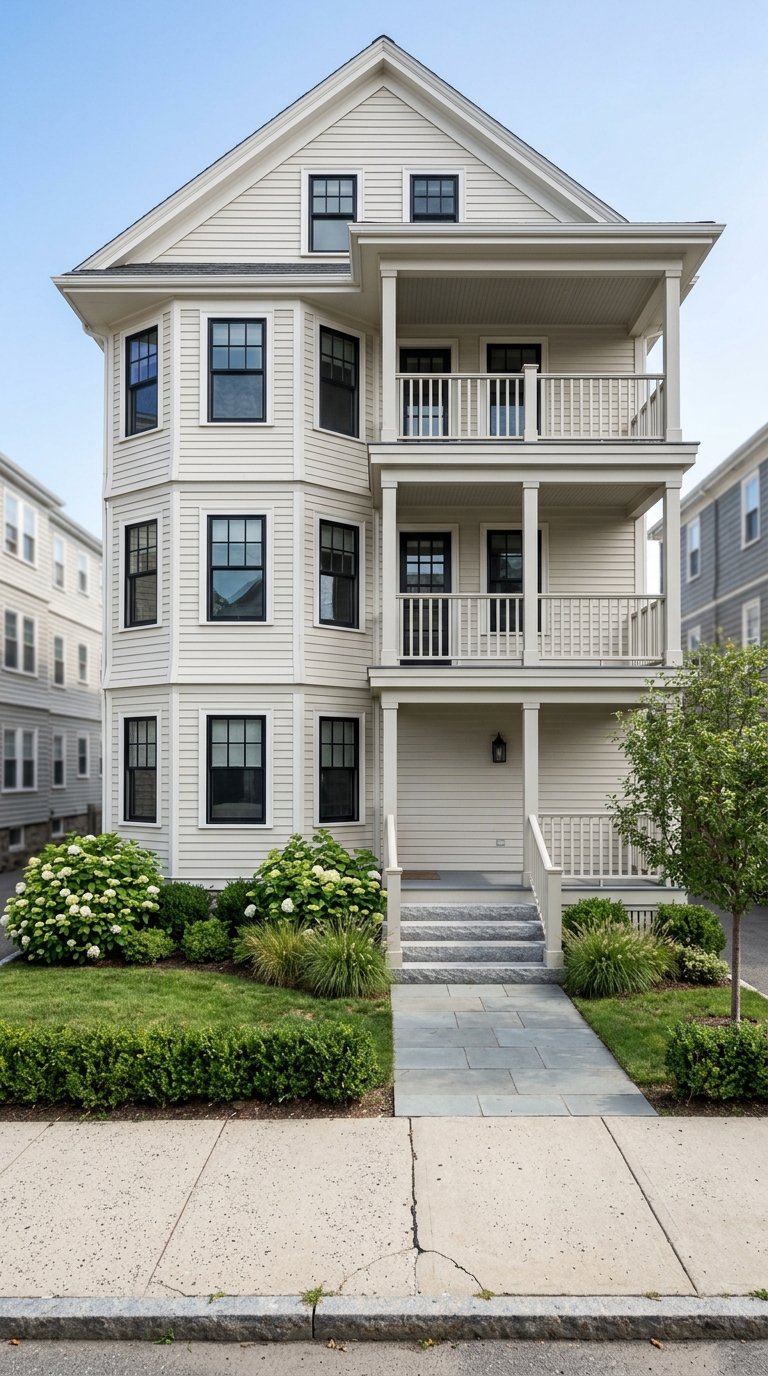
Different areas of the city tend to show that variety in different ways. College Hill includes architecture from early colonial structures through early 20th-century three-family houses. The Armory district is known for mid- to late-19th-century one- and two-family homes, including Greek Revival, Queen Anne, and Second Empire examples, while Broadway includes former mansions in styles such as Greek Revival, Second Empire, Queen Anne, and Colonial Revival.
The key takeaway is simple: Providence’s historic housing stock is not one-size-fits-all. Some properties offer more formal historic character, while others may include later additions, conversions, or mixed-use patterns. If you are comparing neighborhoods, it helps to look beyond curb appeal and think about how the home’s age, layout, and prior changes may affect your plans.
What Renovation Potential Really Means
When you hear “renovation potential,” it can mean very different things in Providence. In some homes, it may mean cosmetic updates like kitchens, baths, paint, or flooring. In others, it may include larger issues like deferred maintenance, older systems, exterior repair, or code-related improvements.
For older homes, renovation potential should always be weighed against renovation complexity. Rhode Island’s Housing 2030 report notes that older homes are more likely to need repair and energy-efficiency upgrades than newer ones. So while original details can add a lot of value and appeal, they often come with a longer list of projects than buyers first expect.
This is where a practical review matters. A beautiful facade or period trim does not tell you whether the home needs staged upgrades over time. If you are buying, it helps to separate optional improvements from must-do work so you can budget realistically from day one.
Historic District Rules To Know
If a home is in one of Providence’s local historic districts, exterior changes are not treated like a standard remodel. City rules require a Certificate of Appropriateness for any exterior change affecting a structure or its appurtenances, including construction, alteration, repair, moving, or demolition. That is a major point to understand before you assume you can quickly update windows, porches, rooflines, additions, or visible site features.
The city’s standards also emphasize repairing original materials whenever possible. When replacement is necessary, it should match the original in design and visual quality, and additions should remain compatible with the building’s massing, scale, and architectural features. In practical terms, historic ownership often means more planning, more documentation, and more attention to exterior design decisions.
That does not mean renovations are impossible. It means your timeline and budget should reflect the review process when visible exterior work is involved. Buyers who understand that early usually make better decisions and avoid surprise delays later.
Permits And Inspections Still Matter
Historic review is only one piece of the puzzle. Providence’s permitting guide says construction can begin once a building permit is obtained, and final fire and mechanical, electrical, and plumbing inspections must happen before the final building inspection. The city also notes that gas and mechanical work is permit-driven.
For you, this means renovation planning should account for both design approval and standard municipal permits when required. Even a straightforward update can involve several steps if the property is older and the work touches key systems. A realistic schedule is often just as important as a realistic budget.
Lead Safety Is A Major Issue In Older Homes
In Providence, lead safety should be part of the conversation early, especially for homes built before 1978. The Rhode Island Department of Health says the biggest lead danger in the state comes from old paint and paint dust in pre-1978 homes. It also says renovation, repair, and painting work that disturbs lead paint must follow lead-safe rules and be done by licensed Lead Renovation Firms.
The state specifically lists work such as window replacement, interior demolition, sanding, and repainting as examples that trigger the rule. That means projects many buyers think of as basic updates may require more planning and specialized handling than expected. If you are estimating renovation costs, lead compliance should be part of your math.
This is even more important if you are considering a rental property. RIDOH says landlords have added responsibilities to protect tenants from lead hazards, and rental units built before 1978 are generally subject to lead-safety rules and Certificates of Lead Conformance, with limited exemptions. For small multifamily buyers, this can directly affect both timeline and budget.
Tax Credits And Repair Help
Many buyers assume any historic home qualifies for major tax credits, but that is not always the case. RIHPHC says Rhode Island’s state historic tax credit is 25% for trade or business properties and 20% for residential apartments and condominiums, while the federal credit is 20% for income-producing historic properties. Private one- and two-family residences do not qualify for these credits, so owner-occupants should not count on that support for a single-family purchase.
That said, there are still programs that may help in certain situations. Providence Revolving Fund manages forgivable home-repair programs and low-interest home-repair loans. RIDOH also says the City of Providence Lead Safe Providence Program provides loans to make properties lead-safe, and the state offers a residential lead abatement income tax credit of up to $5,000 per dwelling unit for correcting lead hazards.
The right support depends on the property type, how the building is used, and the scope of work. That is why broad assumptions can be risky. Before you build your budget around incentives, it is smart to confirm which programs actually fit the home you are considering.
How To Judge Buyer Fit
Not every buyer is a good match for a historic property, and that is okay. The right fit usually comes down to whether you value original character enough to take on the maintenance, planning, and phased improvements that older homes often require. Providence can absolutely reward buyers who appreciate details, location, and long-term upside, but those rewards usually come with responsibility.
You may be a strong fit for a historic home if you are comfortable budgeting for repairs over time, understand that exterior changes may need review, and want to make thoughtful updates instead of fast cosmetic flips. That is especially true if you are looking at multifamily or mixed-use opportunities where compliance, renovation scope, and long-term strategy all matter.
For sellers, the same logic applies in reverse. Not every project adds market value in the same way. Some improvements protect the building, support financing and inspections, or preserve historic appeal, while others may do little more than add cost.
Why Local Guidance Matters
With historic homes, the details matter. A buyer may need help sorting cosmetic wish-list items from structural or compliance-driven work. A seller may need help deciding which repairs are worth doing before listing and which are better left for the next owner.
That is where local market knowledge and renovation experience can make a real difference. In a city like Providence, where historic character is woven into the housing stock, you benefit from advice that looks at both the property itself and the real cost of turning potential into value. The more clearly you understand a home’s condition, review process, and upgrade path, the more confident your next move can be.
If you are thinking about buying, selling, or renovating a historic property in Providence, working with an advisor who understands neighborhood value, renovation feasibility, and deal structure can help you move forward with fewer surprises. To talk through your options, connect with Lindsay Pettinelli.
FAQs
What makes Providence historic homes different from other older homes?
- Providence has an unusually high concentration of preserved housing, with eight local historic districts, about 2,600 properties in those districts, and local plus National Register districts covering 31% of the city’s land area.
What renovation work in Providence historic districts may need review?
- In local historic districts, exterior changes that affect a structure or its appurtenances, including alteration, repair, construction, moving, or demolition, generally require a Certificate of Appropriateness.
What should Providence buyers budget for in older homes?
- Buyers should plan for possible repairs, energy-efficiency upgrades, permit costs, inspections, and in some cases lead-safe renovation requirements, especially in homes built before 1978.
What lead rules apply to Providence homes built before 1978?
- Rhode Island requires renovation, repair, and painting work that disturbs lead paint in pre-1978 homes to follow lead-safe rules and be performed by licensed Lead Renovation Firms.
What incentives are available for Providence historic home renovations?
- Some income-producing historic properties may qualify for state or federal tax credits, and certain owners may also find help through local repair programs, lead-safe loans, or a state lead abatement income tax credit.
What should Providence sellers know before renovating a historic home?
- Sellers should focus on improvements that support safety, condition, compliance, and marketability, because not every renovation will increase value equally in a historic property.